Hudson County
Weehawken Mold Removal: the Shades and the Boulevard Are Two Different Jobs
Tell us where in Weehawken you are and you will get a scope for your half of the township rather than its average, because the two halves fail in opposite ways. Of the 114 flood insurance claims ever recorded here, 88 came from Hurricane Sandy alone, and the township's two repetitive loss properties are both in the Shades at the foot of the hill while Boulevard East measures 174.4 feet.
Request a quote in Weehawken
Tell us the street or the neighborhood, what you can see or smell, and whether the water came up through the floor or in through a wall. In this city those two answers point at different trades, different costs and often a different person who should be paying.
Would you rather talk it through? Call (315) 640-3590, answered 24/7.
$100 off your first job
Credited by us on your first booked job.
- One credit per customer per property, on your first booked job.
- Valid through December 31, 2026.
Mention this offer when you book. Full terms.
One night in 2012 accounts for most of Weehawken's flood record
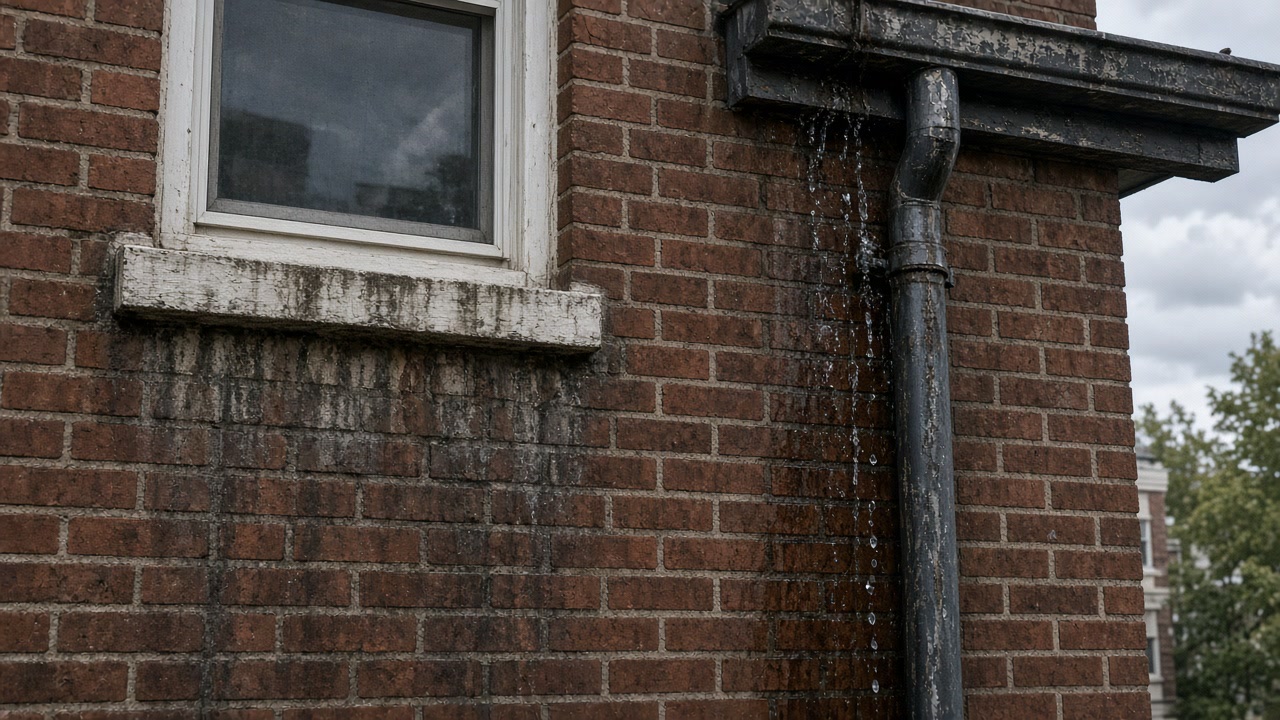
A USGS elevation query on Boulevard East in Weehawken returns 174.4 feet. Of the township's 114 flood insurance claims on record, 88 came from Hurricane Sandy alone, accounting for about 7.5 million of the 8.5 million dollars ever paid there.
Source: US Geological Survey, 3D Elevation Program point query service, accessed 2026-09-21
Weehawken's annex identifies its two repetitive loss properties as being in the southwest part of the township, in the area known as the Shades, and notes that the township lacks a stand alone stormwater ordinance. Its three combined sewer outfalls all belong to the North Hudson Sewerage Authority Adams Street plant.
Source: Hudson County Office of Emergency Management, 2025 Hudson County Hazard Mitigation Plan, accessed 2026-09-21
Weehawken's median housing unit was built in 1965, but 37.9 percent of its 9,563 units date from 1939 or earlier and 35.4 percent from 2000 or later. 38.0 percent sit in buildings of fifty units or more, the highest share in the county outside Jersey City's waterfront.
Source: US Census Bureau, American Community Survey 2020-2024 five year estimates, accessed 2026-09-21
Jersey City and Hoboken are on different sewerage systems. Twenty one of Jersey City's outfalls route to the Passaic Valley Sewerage Commissioners plant in Newark, while all three Hoboken outfalls and all three Weehawken outfalls belong to the North Hudson Sewerage Authority Adams Street plant.
Source: New Jersey Department of Environmental Protection, combined sewer outfall inventory served through the NJDEP ArcGIS mapping service, accessed 2026-09-21
The New Jersey Condominium Act defines common elements to include, as to any improvement, the foundations, structural and bearing parts, supports, main walls, roofs, basements, halls, corridors, lobbies, stairways, elevators, entrances and exits, excluding anything specifically reserved or limited to a particular unit. Limited common elements are those common elements reserved for the use of one or more specified units.
Source: New Jersey Legislature, reproducing N.J.S.A. 46:8B-3 in Senate bill S1013 of the 221st Legislature, accessed 2026-09-21
The same plan lists the areas of potential landsliding in Hudson County as cliffs and steep slopes in diabase bedrock on the east slope of the Palisades Ridge north of Jersey City, several small areas of steep slope on the west slope of that ridge, bluffs in serpentinite at Stevens Point in Hoboken and cliffs in diabase on Snake Hill in Secaucus.
Source: Hudson County Office of Emergency Management, 2025 Hudson County Hazard Mitigation Plan, accessed 2026-09-21
The ANSI/IICRC S500 consensus body position statement of January 2026 says that top down water ingress, wind driven rain and water from weather related events are not automatically Category 3 water. Category 3 is defined as grossly contaminated water that can contain pathogenic, toxigenic or other harmful agents, and the restorer must inspect and gather information before making that determination.
Source: ANSI/IICRC S500 Consensus Body position statement, January 2026, accessed 2026-09-21
The booklet states that if the water that caused the mold contained sewage or other hazardous substances, additional steps would be required in order to assess, clean and decontaminate the area, and that a remediation plan should record information on other contaminants that could be present, especially from sewage leaks or floodwater.
Source: New Jersey Department of Health, Consumer, Environmental and Occupational Health Service, accessed 2026-09-21
Bottom of the hill, or top of it?
That one answer changes the whole scope. Tell us the street and we will price the job your half of Weehawken actually has, not the township average.
Bottom of the cliff or top of it, and why the price is not the same
Ask any company which half of Weehawken it has actually worked in, because the township is two housing stocks with almost nothing in between: 37.9 percent of units date from 1939 or earlier, 35.4 percent from 2000 or later, and 38 percent sit in buildings of fifty units or more. In the towers the wet wall is usually not yours. The New Jersey Condominium Act makes foundations, main walls, roofs and basements common elements, so the association owns the repair and a unit owner who pays to open one can forfeit the claim. In the pre war houses on the hill it is your wall, your grading and your drainage, and the bill is yours too. The water history splits the same way. Weehawken's two repetitive loss properties are both in the Shades in the southwest, at the bottom of the cliff, and the township has no stand alone stormwater ordinance of its own. All three of its combined sewer outfalls belong to the North Hudson Sewerage Authority Adams Street plant rather than to the township, so a surcharge or backup complaint goes to the authority before it goes to the municipal building. One more thing that catches people out on a slope: water arriving from above is not automatically treated as contaminated. The consensus standard says wind driven rain and top down ingress are not Category 3 by default and that the restorer has to inspect before deciding, which is the difference between drying a room and gutting it.
Areas within Weehawken: The Shades, Boulevard East, Park Avenue, The Weehawken waterfront, Hackensack Plank Road
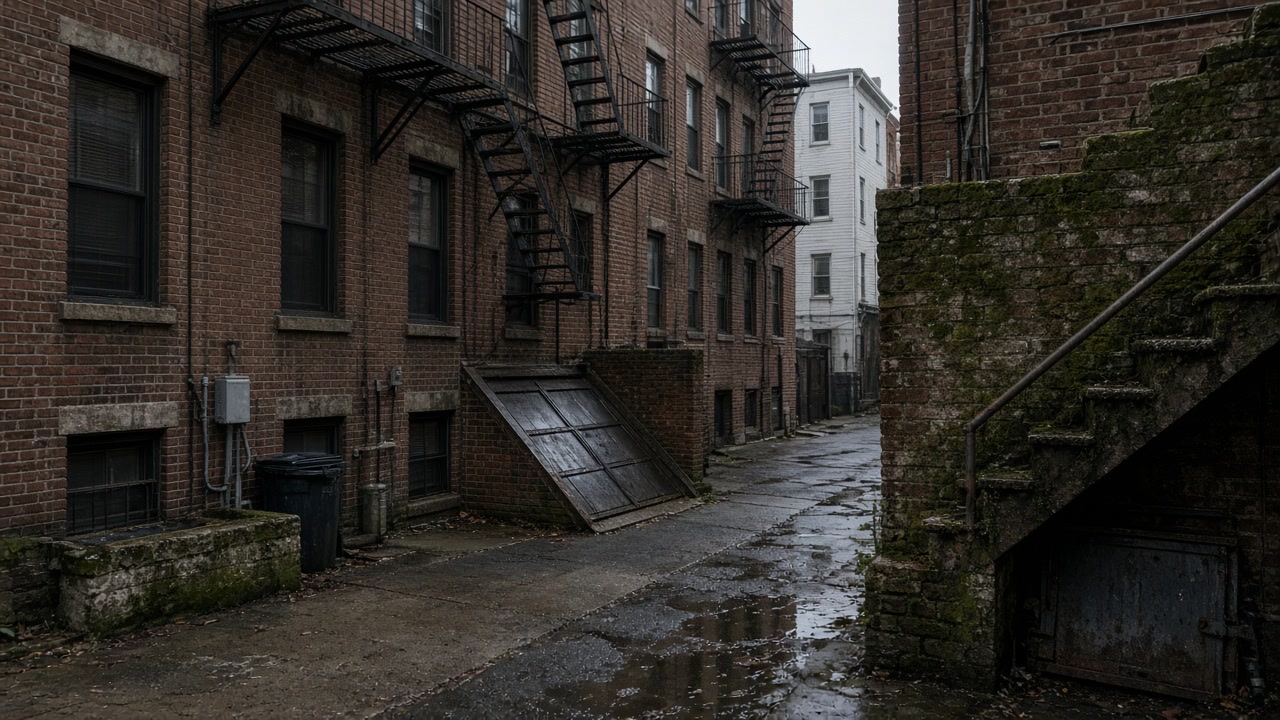
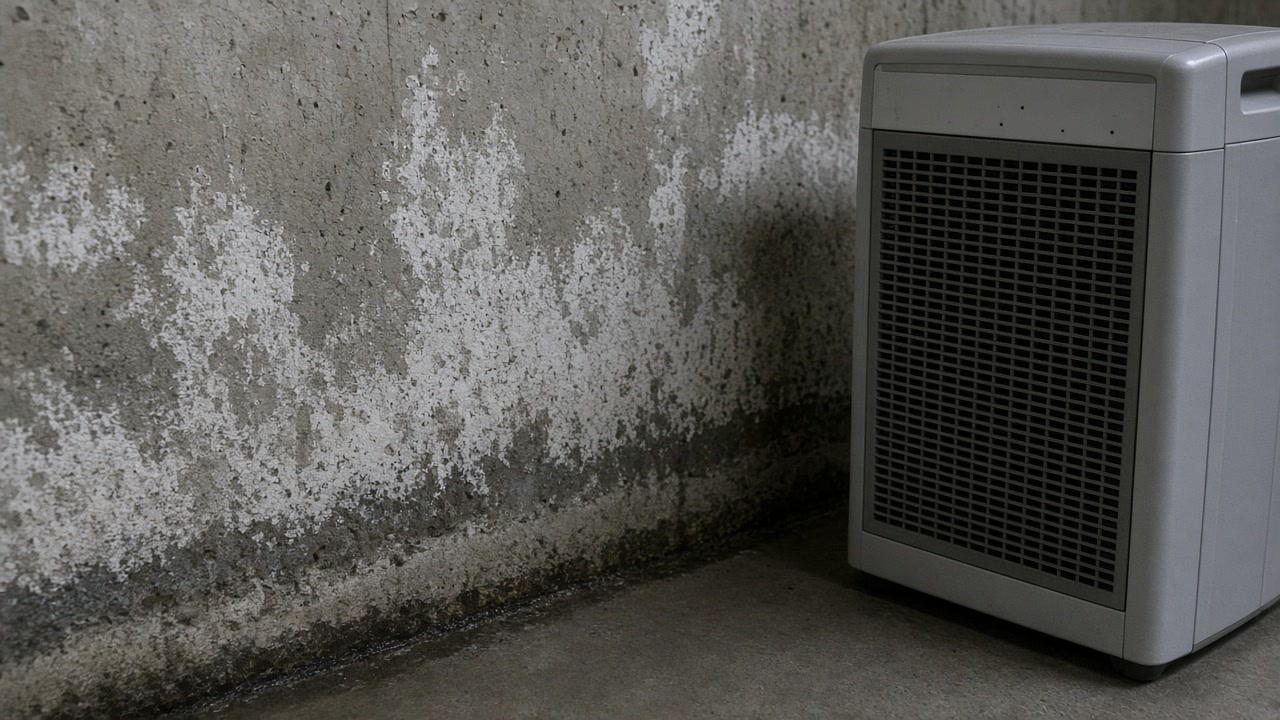
Coverage from Park Avenue down to the waterfront
Mold Inspection and Testing
Find out what is actually growing, what water is feeding it and how far it runs, in a written report from a company that is not quoting for the removal.
Mold Inspection in Weehawken →Mold Remediation and Removal
Get the mold and the material holding it out of the building, with the water route closed first and the scope set by where the water came from rather than by the size of the stain.
Mold Removal in Weehawken →Water Damage Drying
Get the water out and the structure dry fast enough that mold never starts, and find out on day one whether what came in can lawfully be dried in place at all.
Water Damage Drying in Weehawken →Ask us which half we have worked in
Send the address and what you can see. If the honest answer is that you do not need a contractor, you will get that answer too. No obligation.