Hudson County
Bayonne Mold Removal for a City Where Water Comes Up the Drain
Send us the block and what the water did, and we will tell you whether this is a drying job, a strip out, or something small enough to handle yourself. In Bayonne the answer usually starts at the drain: the NJDEP inventory lists 31 combined sewer outfalls in the city, twenty nine of them active and twenty eight of those the Bayonne Municipal Utilities Authority's, fifteen discharging to Newark Bay and ten to the Kill Van Kull.
Request a quote in Bayonne
Tell us the street or the neighborhood, what you can see or smell, and whether the water came up through the floor or in through a wall. In this city those two answers point at different trades, different costs and often a different person who should be paying.
Would you rather talk it through? Call (315) 640-3590, answered 24/7.
$100 off your first job
Credited by us on your first booked job.
- One credit per customer per property, on your first booked job.
- Valid through December 31, 2026.
Mention this offer when you book. Full terms.
Why Ida beat Sandy in Bayonne, and what that changes
The NJDEP combined sewer outfall inventory lists 31 outfalls in Bayonne, of which 29 are active and 2 are sealed. Twenty eight of the active ones are permitted to the Bayonne Municipal Utilities Authority and one to Elizabeth City. Fifteen of the active outfalls discharge to Newark Bay and ten to the Kill Van Kull.
Source: New Jersey Department of Environmental Protection, combined sewer outfall inventory served through the NJDEP ArcGIS mapping service, accessed 2026-09-21
In Bayonne the remnants of Hurricane Ida produced 57 flood insurance claims and about 1.86 million dollars, more than Hurricane Sandy's 30 claims and 1.40 million. Across the whole Bayonne record of 163 claims, 97 were coded rainfall or snowmelt against 26 tidal.
Source: Federal Emergency Management Agency, OpenFEMA FIMA NFIP Redacted Claims dataset v2, accessed 2026-09-21
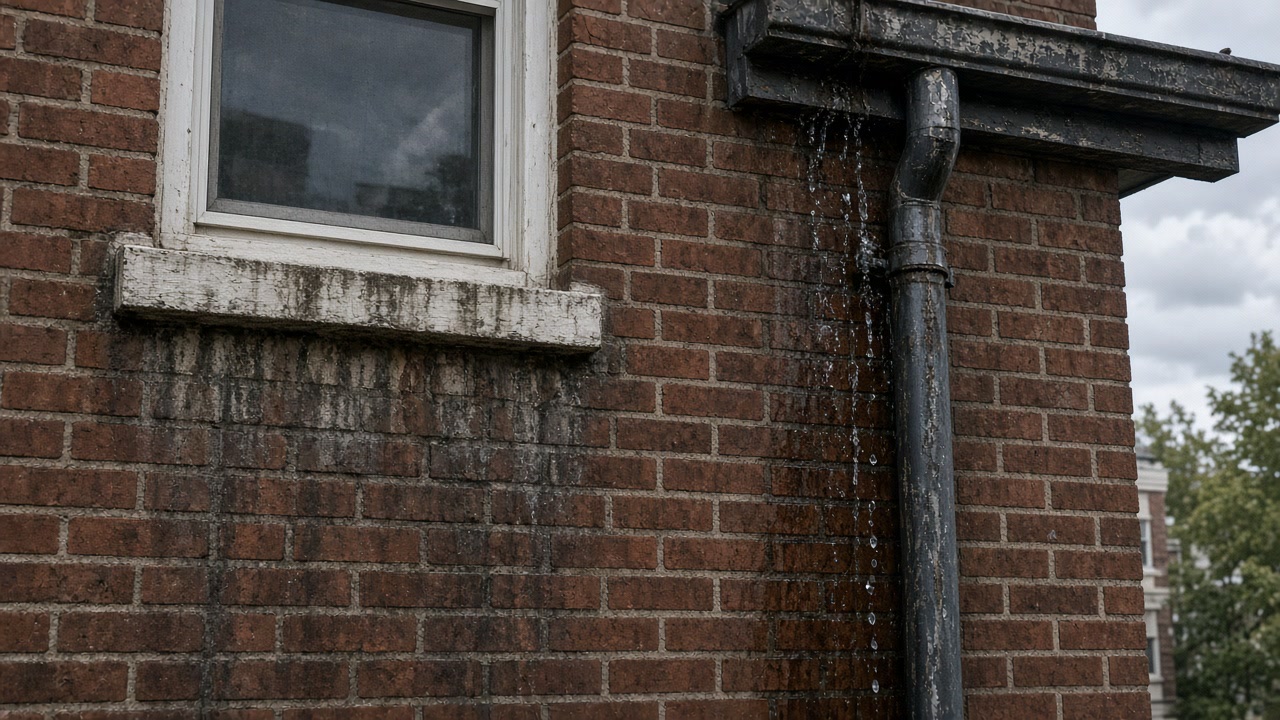
The Bayonne annex of the county hazard mitigation plan names the 22nd Street underpass as a city roadway that experiences frequent and severe flooding, with motorists and pedestrians needing rescue by boat during flash floods. It records storm sewer systems as undersized at 10th Street and Avenue A, at 9th Street and at Hook Road, and notes eight wastewater pump stations sitting in the regulatory floodplain within the city's repetitive loss areas.
Source: Hudson County Office of Emergency Management, 2025 Hudson County Hazard Mitigation Plan, accessed 2026-09-21
Bayonne's median housing unit was built in 1954. Of 30,786 units, 36.1 percent date from 1939 or earlier and 78.6 percent from before 1980, and 9,931 of them, nearly a third, are in two unit buildings. Only 13.4 percent were built in 2000 or later.
Source: US Census Bureau, American Community Survey 2020-2024 five year estimates, accessed 2026-09-21
The booklet states that if the water that caused the mold contained sewage or other hazardous substances, additional steps would be required in order to assess, clean and decontaminate the area, and that a remediation plan should record information on other contaminants that could be present, especially from sewage leaks or floodwater.
Source: New Jersey Department of Health, Consumer, Environmental and Occupational Health Service, accessed 2026-09-21
Under P.L. 2023 chapter 93, every New Jersey landlord must give a written Flood Risk Notice before lease signing or renewal. The state model notice asks whether the property is in the FEMA Special Flood Hazard Area or the Moderate Risk Flood Hazard Area, and asks directly whether the rental premises or its parking areas have ever experienced any flood damage, water seepage, or pooled water due to a natural flood event, and if so how many times and on what dates.
Source: New Jersey Office of the Attorney General and Division of Consumer Affairs, model Flood Risk Notice issued under N.J.S.A. 46:8-50, accessed 2026-09-21
The flood disclosure law does not apply to residential dwellings in a premises containing not more than two units, nor to owner occupied premises containing not more than three units, nor to leases of under one month.
Source: Hudson County Office of Emergency Management, 2025 Hudson County Hazard Mitigation Plan, accessed 2026-09-21
October 1, 2020 was the submission deadline for all New Jersey combined sewer overflow Long Term Control Plans. The public information site run jointly by the Jersey City MUA and the other Passaic Valley and North Bergen permittees states that the current Long Term Control Plan is under review by NJDEP and, to date, has not been accepted.
Source: Clean Waterways, Healthy Neighborhoods, the joint public information program of the PVSC and NBMUA combined sewer permittees including the Jersey City MUA, accessed 2026-09-21
EPA cleanup guidance says that absorbent or porous materials such as ceiling tiles and carpet may have to be thrown away if they become moldy, because mold can fill the crevices of porous materials and be impossible to remove completely. It also says not to paint or caulk moldy surfaces, since paint applied over them is likely to peel.
Source: United States Environmental Protection Agency, accessed 2026-09-21
Did it come up, or did it come in?
Tell us where the water appeared and how fast. Water out of a combined line is treated as contaminated and changes what can be saved, so that answer comes before any price does.
Thirty outfalls, two receiving waters, and the streets Bayonne has already named
Bayonne has already published where its drainage gives out, which is useful the moment you need a landlord or an insurer to take a wet basement seriously. The city's annex of the county hazard mitigation plan names the 22nd Street underpass as flooding frequently and severely enough that people have had to be taken out by boat, records the storm sewers as undersized at 10th Street and Avenue A, at 9th Street and at Hook Road, and counts eight wastewater pump stations sitting in the regulatory floodplain inside the city's repetitive loss areas. If you are near one of those, a basement that takes water in heavy rain is a documented neighborhood condition rather than a defect in your house, and that sentence belongs in the letter you send. The stock is the other half of it. The median Bayonne unit was built in 1954, 36.1 percent of the city predates 1939 and nearly a third of all units sit in two unit buildings, so expect masonry foundations and original drain lines behind the wall rather than the sealed envelope failures of new construction. Two unit buildings are also exempt from the flood risk notice a New Jersey landlord must otherwise hand over before a lease, the notice that asks directly whether the place has ever had flood damage, seepage or pooled water. If you rent a floor of a two family here, nobody is required to tell you. Ask in writing and keep the answer.
Areas within Bayonne: Bergen Point, Uptown Bayonne, Midtown Bayonne, Avenue A, The Newark Bay shore, The Kill Van Kull shore
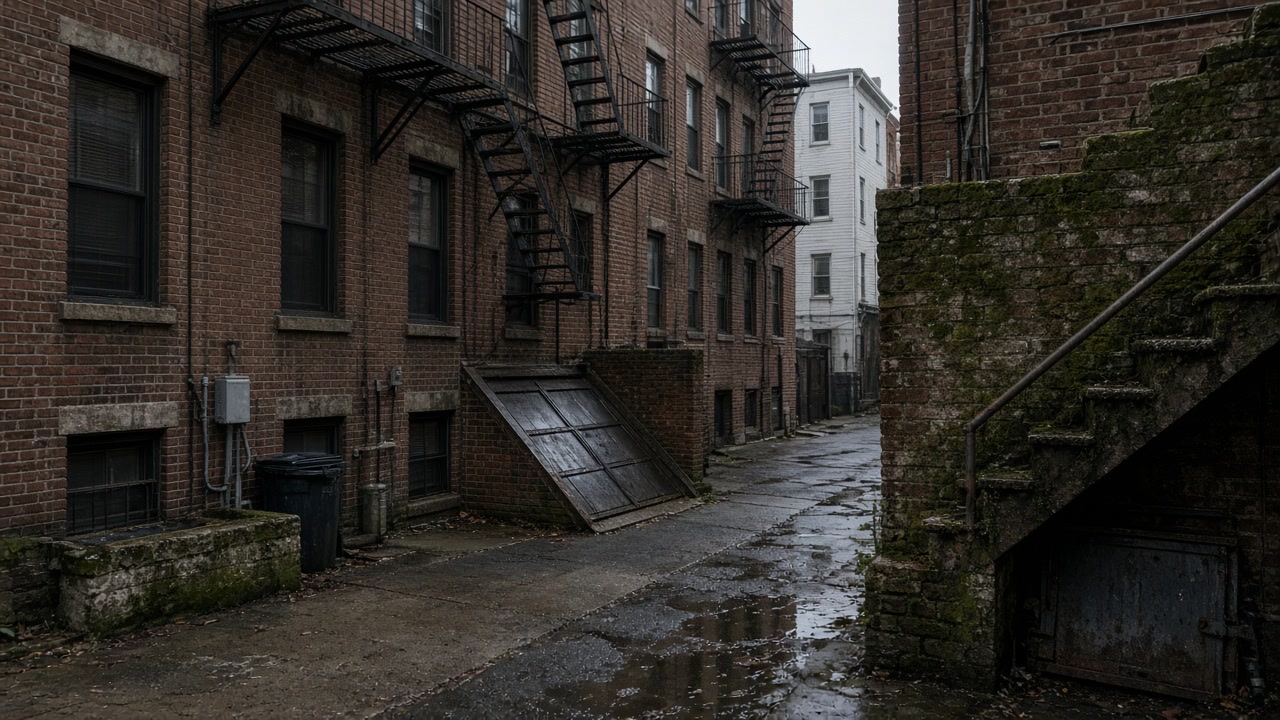
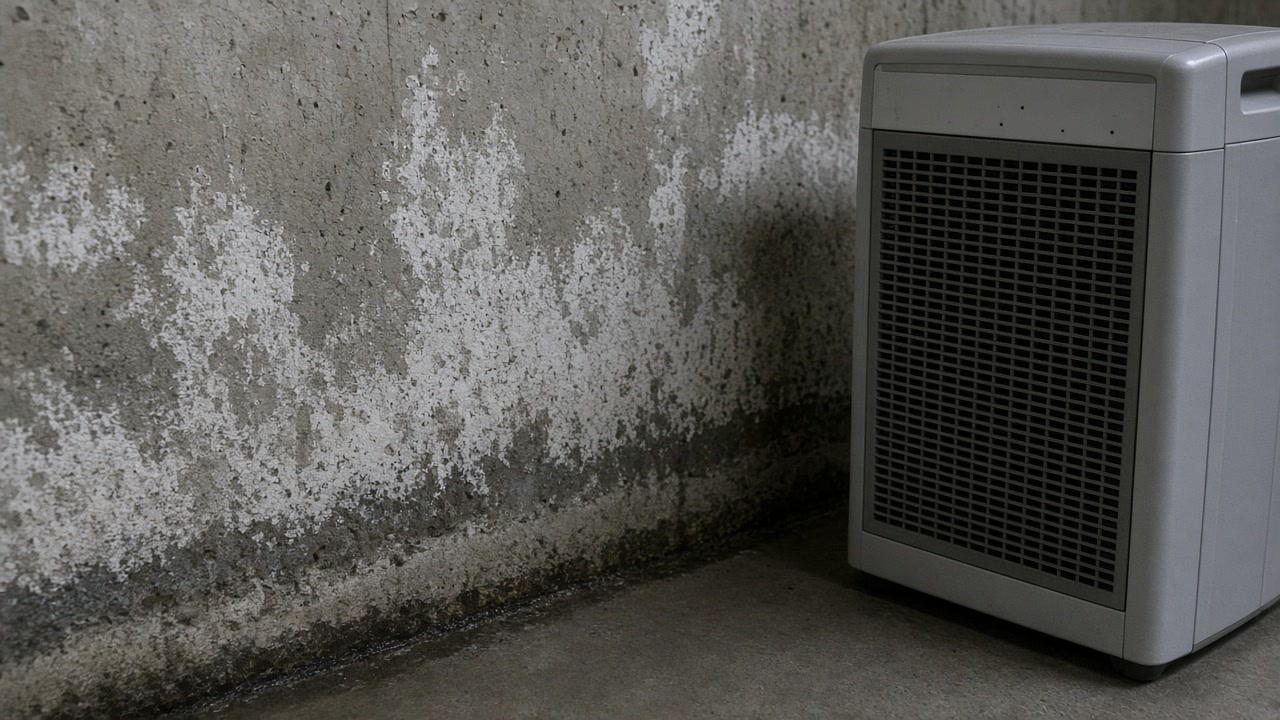
Bergen Point to the Kill Van Kull: the three jobs we arrange
Mold Inspection and Testing
Find out what is actually growing, what water is feeding it and how far it runs, in a written report from a company that is not quoting for the removal.
Mold Inspection in Bayonne →Mold Remediation and Removal
Get the mold and the material holding it out of the building, with the water route closed first and the scope set by where the water came from rather than by the size of the stain.
Mold Removal in Bayonne →Water Damage Drying
Get the water out and the structure dry fast enough that mold never starts, and find out on day one whether what came in can lawfully be dried in place at all.
Water Damage Drying in Bayonne →One street name is usually enough to start
Send the block and a photo of the worst corner. We will tell you what an assessment would look at and what it would leave alone. No obligation.