Three Mold Jobs in Jersey City, and Why They Are Not One
Finding it, taking it out and drying the building are three pieces of work, and rolling them into one hand is how a small problem gets quoted as a large one. An inspection tells you what is there, what is feeding it and how far it runs. Removal takes out what cannot be saved and contains the rest. Drying is the right job when the material is still sound and you are inside the window the EPA puts at 24 to 48 hours, after which wet material starts growing rather than drying. Which of the three you need is a question about the water, not about the stain.
What we arrange
Mold Inspection and Testing
What you get is a written finding you can act on and hand to somebody else: the rooms affected, the material that is wet, the route the water is taking, and what has to change to stop it. It comes from a company that is not bidding on the removal, which is the entire design. In Jersey City that finding is worth more than it would be in a flat town, because the answer moves with your address. One Downtown ZIP code has filed 1,097 flood insurance claims since 1978 and about 31.5 million dollars has been paid on them, while a ZIP code up in the Heights has filed eight over the same record, for 44,593 dollars. Same city, opposite water problems. An inspection tells you which of the two you are living with before anyone sells you a scope, and it tells you plainly when what you are looking at is condensation, a cleaning job, or nothing that needs a contractor at all.
Read more →Mold Remediation and Removal
What you get is the affected material out, the surfaces that can be kept cleaned properly, the room rebuilt, and a dated record of what came out and why. The size of that job is set by the water, not by the size of the stain. Jersey City runs one combined line carrying storm and waste together, so water that rose up a floor drain has been mixed with sewage in the street pipe, and the state's guidance is that sewage means additional steps to assess, clean and decontaminate: porous material leaves the building instead of being dried. Water that seeped through an old foundation wall on the ridge after a wet week is a drainage problem, and much of that room can usually be saved. That gap is exactly why the finding is bought from one company and the removal from another. The diagnosis decides the bill, so nobody should be writing both.
Read more →Water Damage Drying
What you get is the water out and the materials dry before this becomes a mold problem: extraction, air movement, dehumidification, and meter readings that say when the structure is genuinely dry rather than when it feels dry. The EPA puts mold growth on wet material at roughly 24 to 48 hours and says that in most cases it will not grow if wet materials are dried inside that window, which is why the first day decides more than everything after it. The second thing that decides the job is where the water came from. This city runs one combined pipe for storm and waste, so water that rose up a floor drain arrived already mixed with sewage and is a removal job wearing a drying job's clothes. Water off a roof or through a window usually is not, and the trade's own standards body says weather related water is not automatically the contaminated category. Which of the two you have gets established on the first visit rather than assumed.
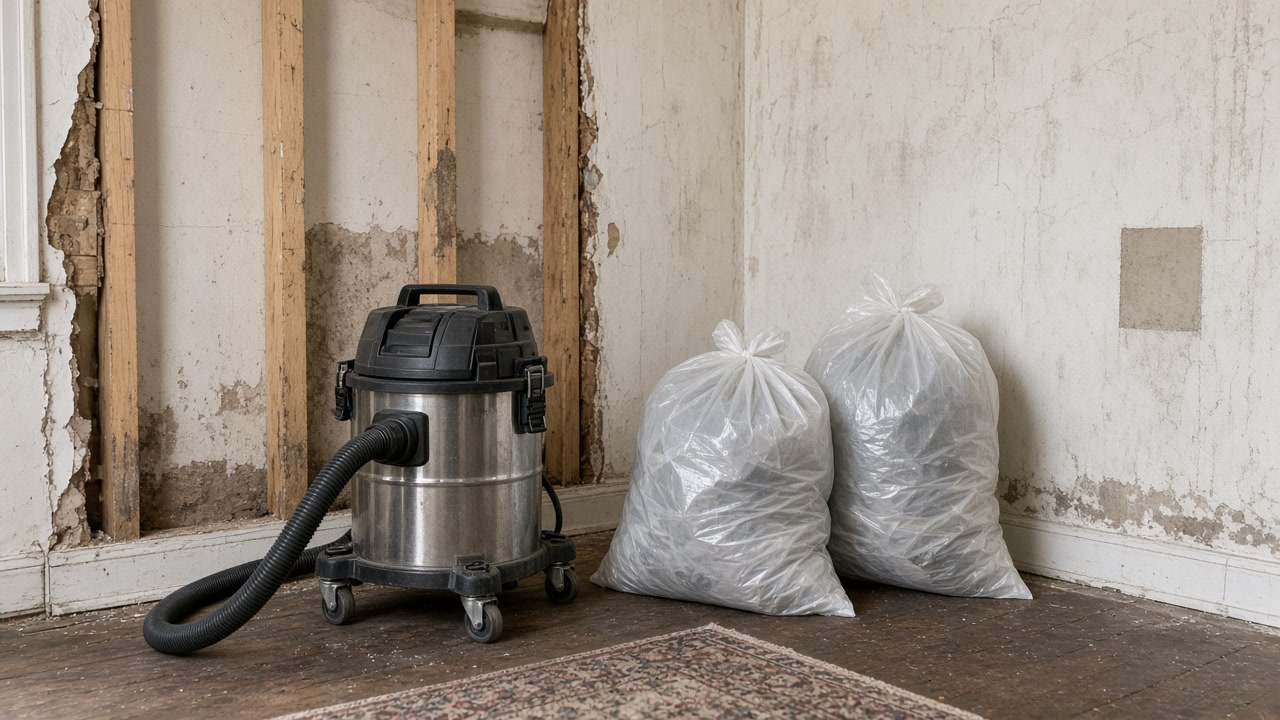
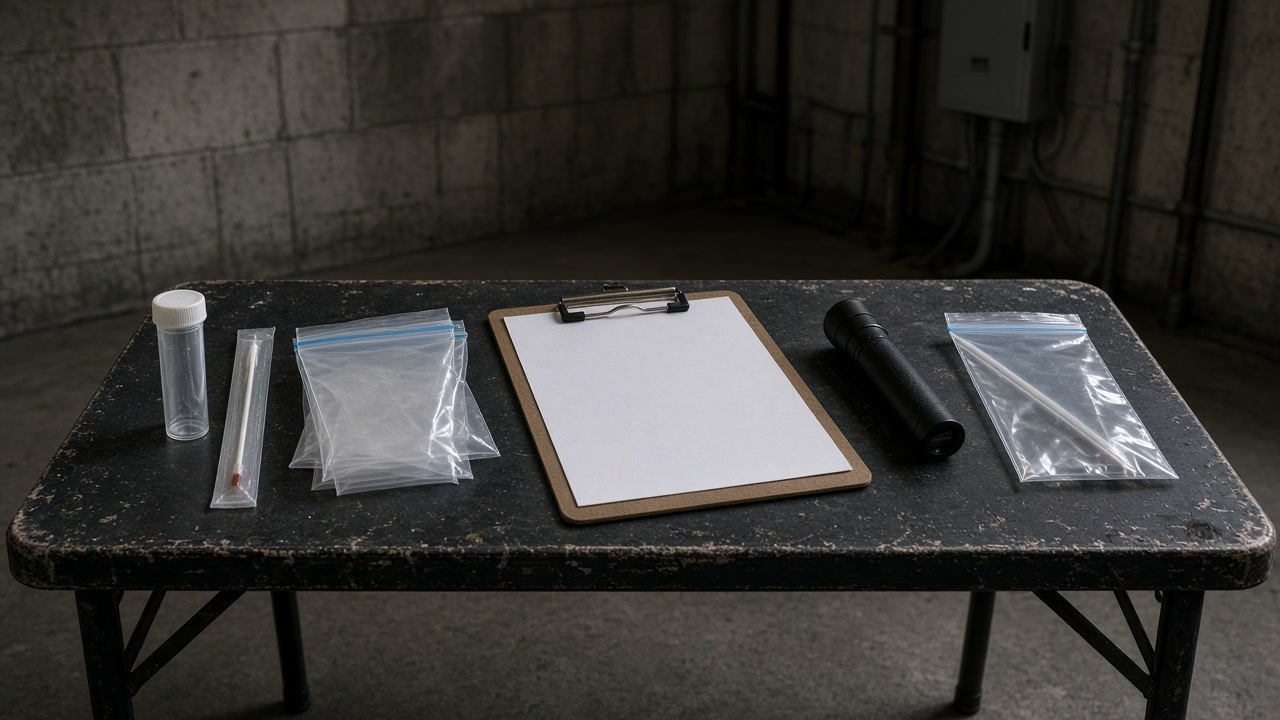
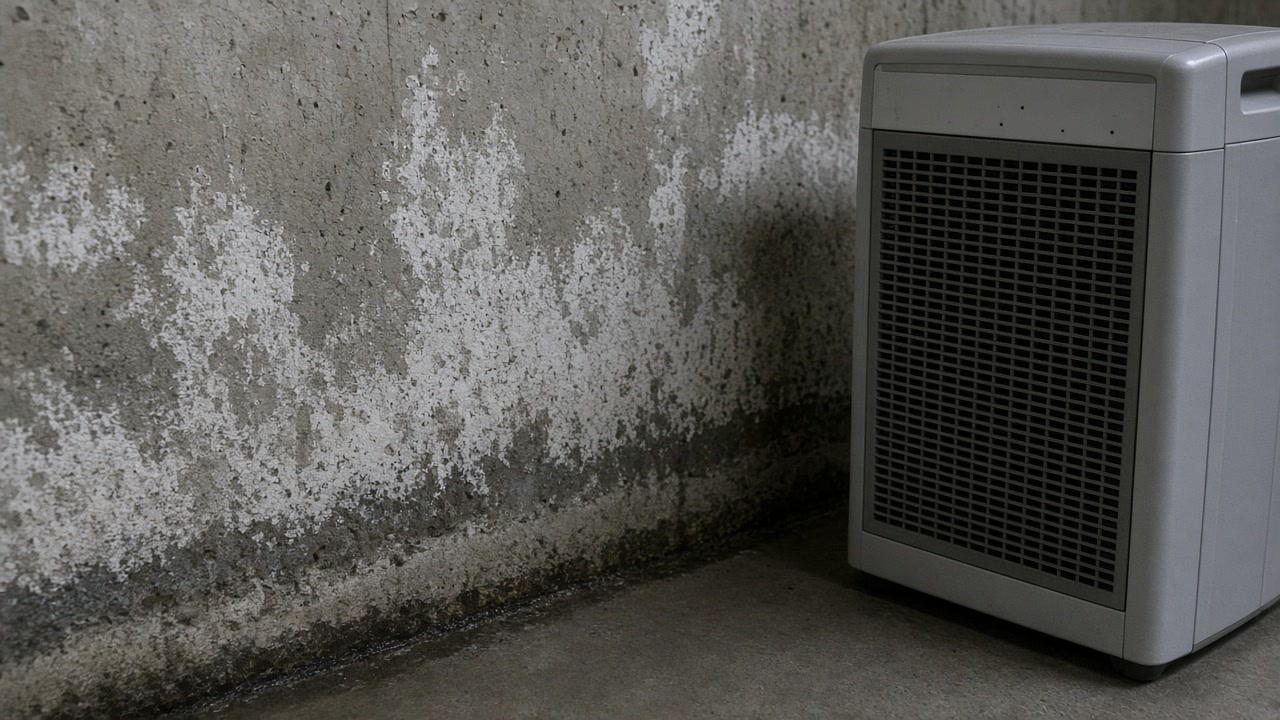
Read more →The equipment these jobs actually arrive with
Not sure which one you need?
Describe the problem and we will point you to the right work.
Request a Quote
Tell us the street or the neighborhood, what you can see or smell, and whether the water came up through the floor or in through a wall. In this city those two answers point at different trades, different costs and often a different person who should be paying.
Would you rather talk it through? Call (315) 640-3590, answered 24/7.
$100 off your first job
Credited by us on your first booked job.
- One credit per customer per property, on your first booked job.
- Valid through December 31, 2026.
Mention this offer when you book. Full terms.
Tell us what you are seeing
Tell us what you are dealing with and we will take it from there.