Mold Removal in Weehawken: Your Wall or the Building's
Send the finding and the address. You get the wet material out, with the ownership and the paint question settled before the first cut.
Mold Removal quote in Weehawken
Tell us the street or the neighborhood, what you can see or smell, and whether the water came up through the floor or in through a wall. In this city those two answers point at different trades, different costs and often a different person who should be paying.
Would you rather talk it through? Call (315) 640-3590, answered 24/7.
$100 off your first job
Credited by us on your first booked job.
- One credit per customer per property, on your first booked job.
- Valid through December 31, 2026.
Mention this offer when you book. Full terms.
Sewage and permission: the two things that move the price
Weigh whether the water had been anywhere before it reached the wall. Where what caused the growth contained sewage, the Department of Health says additional steps are required to assess, clean and decontaminate the area, and that the plan should record the other contaminants that could be present. Weigh second who can lawfully commission the cut, because the Condominium Act puts foundations, main walls, roofs and basements among the common elements and gives the association the right of access to repair them. A unit owner who pays for that work can be paying for somebody else's, and the money is not easy to get back afterwards.
Which half of the stock the building belongs to
37.9 percent of units date from 1939 or earlier and 35.4 percent from 2000 or later, with 38 percent in buildings of fifty or more. There is very little in between.
Whether the paint predates 1978
In the prewar half it almost always does, and the firm paid to disturb it needs EPA firm certification. Firms cannot advertise or perform that work without it.
Whether the wall is a common element
The Condominium Act gives the association access to a unit during reasonable hours to maintain, repair or replace common elements in it or accessible from it.
What Weehawken's split stock means for a removal
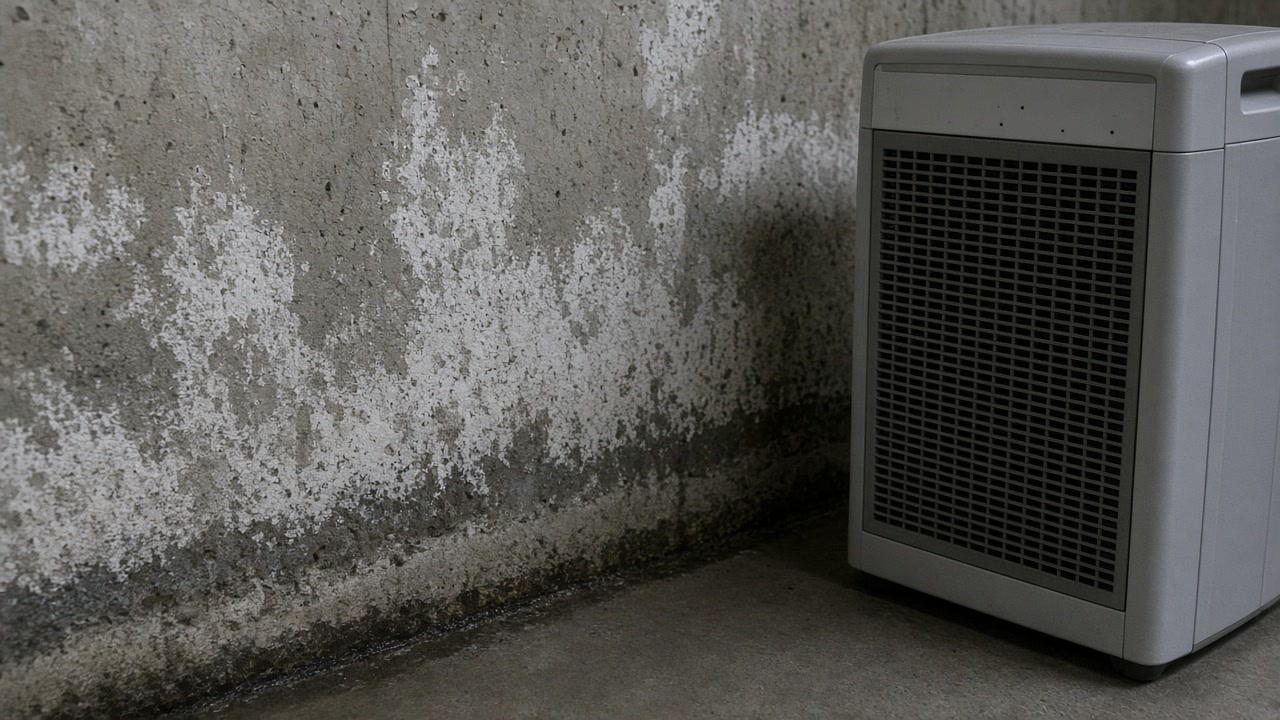
Weehawken's median housing unit was built in 1965, but 37.9 percent of its 9,563 units date from 1939 or earlier and 35.4 percent from 2000 or later. 38.0 percent sit in buildings of fifty units or more, the highest share in the county outside Jersey City's waterfront.
Source: US Census Bureau, American Community Survey 2020-2024 five year estimates, accessed 2026-09-21
The federal Renovation, Repair and Painting Rule requires anyone paid to perform work that disturbs painted surfaces in housing built before 1978 to hold EPA firm certification, and states that firms cannot advertise or perform renovation activities covered by the rule in pre-1978 homes without that certification. It applies to all firms, including sole proprietorships.
Source: United States Environmental Protection Agency, accessed 2026-09-21
The Condominium Act also provides that the association shall have access to each unit from time to time during reasonable hours as may be necessary for the maintenance, repair or replacement of any common elements in it or accessible from it, or for making emergency repairs necessary to prevent damage to common elements or to any other unit.
Source: New Jersey Legislature, reproducing N.J.S.A. 46:8B-15(b) in Senate bill S1013 of the 221st Legislature, accessed 2026-09-21
The booklet states that if the water that caused the mold contained sewage or other hazardous substances, additional steps would be required in order to assess, clean and decontaminate the area, and that a remediation plan should record information on other contaminants that could be present, especially from sewage leaks or floodwater.
Source: New Jersey Department of Health, Consumer, Environmental and Occupational Health Service, accessed 2026-09-21
EPA cleanup guidance says that absorbent or porous materials such as ceiling tiles and carpet may have to be thrown away if they become moldy, because mold can fill the crevices of porous materials and be impossible to remove completely. It also says not to paint or caulk moldy surfaces, since paint applied over them is likely to peel.
Source: United States Environmental Protection Agency, accessed 2026-09-21
The header of the Department of Health list of Indoor Environmental Remediation Firms reads that due to a potential conflict of interest, the NJDOH strongly recommends that the company who conducts your environmental health assessment not be the same company who conducts the remediation.
Source: New Jersey Department of Health, Consumer, Environmental and Occupational Health Service, accessed 2026-09-21
What mold removal involves in Weehawken
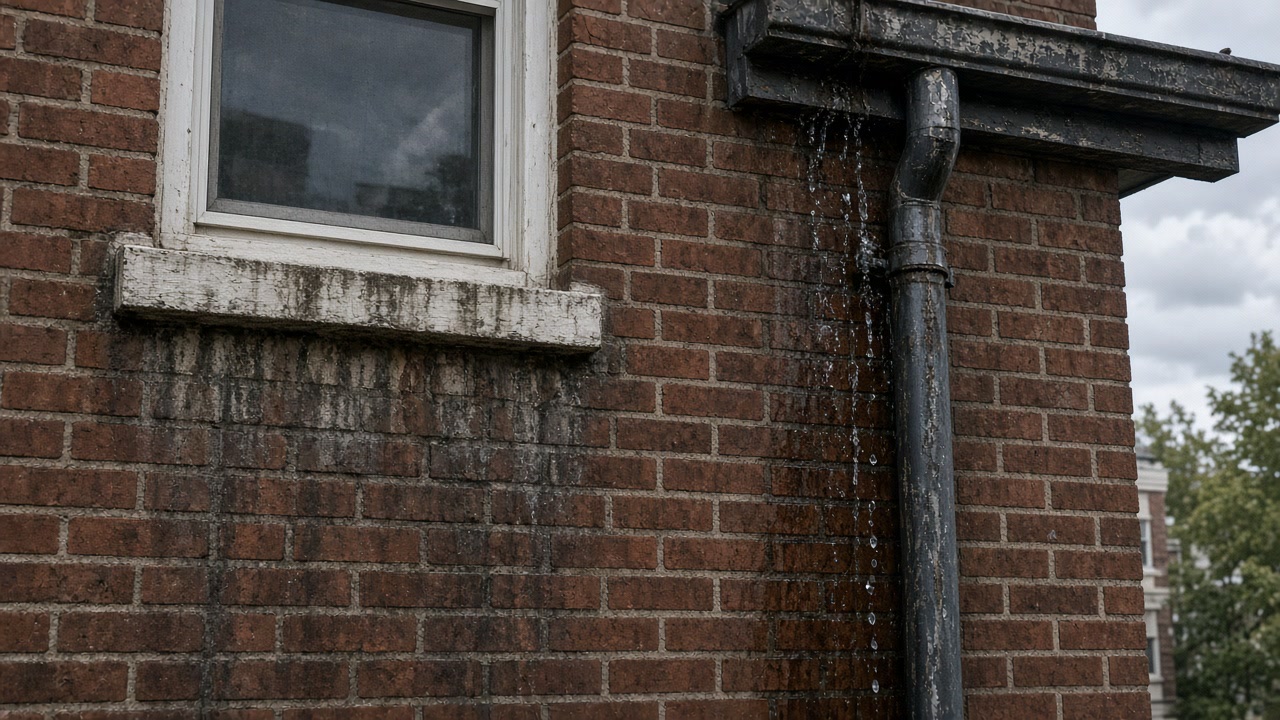
Two Weehawken housing stocks, two removal scopes
The same square footage of growth is two different removals in Weehawken depending on which building it is in. In the prewar half, and 37.9 percent of the township's 9,563 units date from 1939 or earlier, the wall is yours, the plaster is yours, and the paint almost certainly predates 1978, which brings the federal Renovation, Repair and Painting Rule and its firm certification requirement into the job. In the towers, and 38 percent of units sit in buildings of fifty or more, the wall is frequently not yours at all.
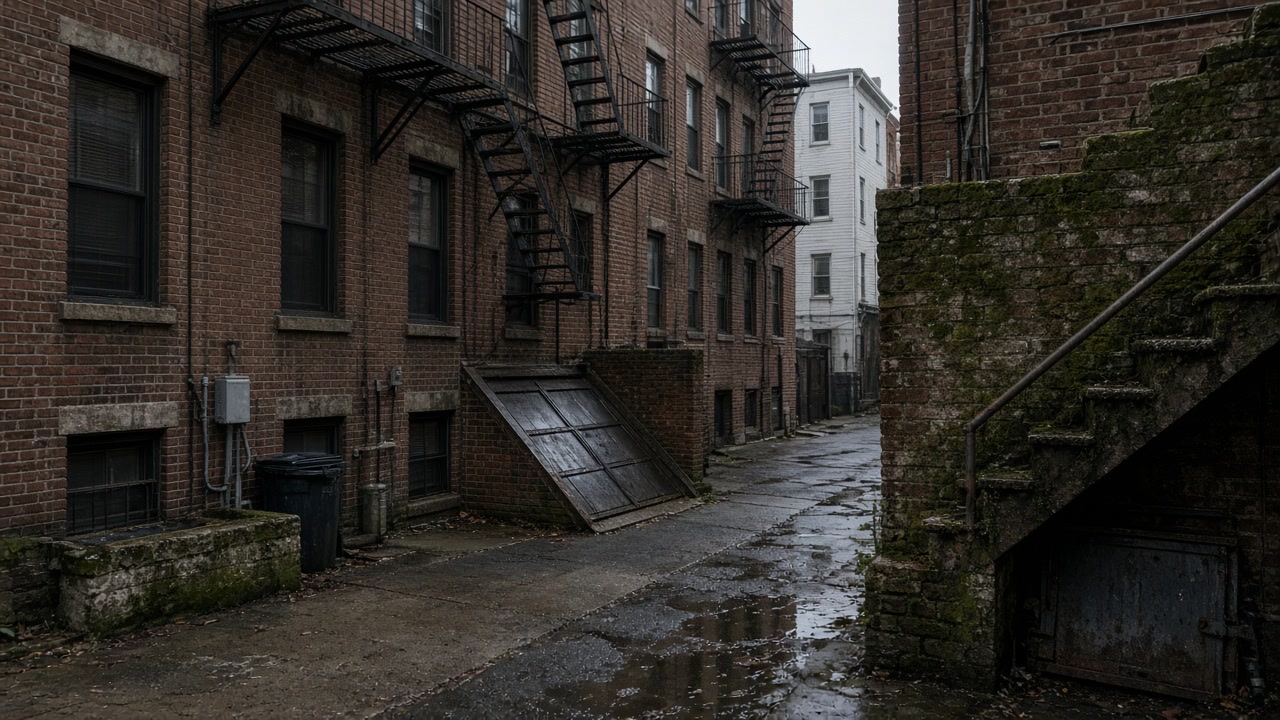
House on the hill, or unit in a tower?
That answer sets both the scope and the signature. Tell us which and we will explain the difference.
Weehawken removal questions worth asking twice
How much of the wall actually has to come out?
As much as reads wet, which is usually more than reads stained. Absorbent and porous materials such as ceiling tiles and carpet may have to be discarded, because mold fills their crevices and cannot be removed completely, while hard surfaces are generally cleaned and kept. The cut line is set by a meter rather than by the edge of the mark, and in a prewar Weehawken house it often runs well past the visible damage.
The association says it will handle it. Should I let them?
Usually yes, where the wet element is theirs. The Condominium Act gives the association access to the unit during reasonable hours for the maintenance, repair or replacement of common elements in it or accessible from it. What is worth insisting on is that the scope came from a company other than the one carrying out the work, which the Department of Health strongly recommends because of the conflict of interest.
Send the report and the building type
The removal is arranged with a firm that had no hand in writing the finding.