Hudson County
Mold and Drying in Secaucus, Where the Water Arrives Sideways
Say what got wet and how far up the wall it went, and we will tell you what has to come out and what can be dried and kept. Secaucus is flat and tidal rather than downhill: town hall measures 15.9 feet, and the town's annex records 85 flood claims and 11 repetitive loss properties against only 15 flood insurance policies in force.
Request a quote in Secaucus
Tell us the street or the neighborhood, what you can see or smell, and whether the water came up through the floor or in through a wall. In this city those two answers point at different trades, different costs and often a different person who should be paying.
Would you rather talk it through? Call (315) 640-3590, answered 24/7.
$100 off your first job
Credited by us on your first booked job.
- One credit per customer per property, on your first booked job.
- Valid through December 31, 2026.
Mention this offer when you book. Full terms.
Fifteen policies, eleven repetitive losses: reading the Secaucus record
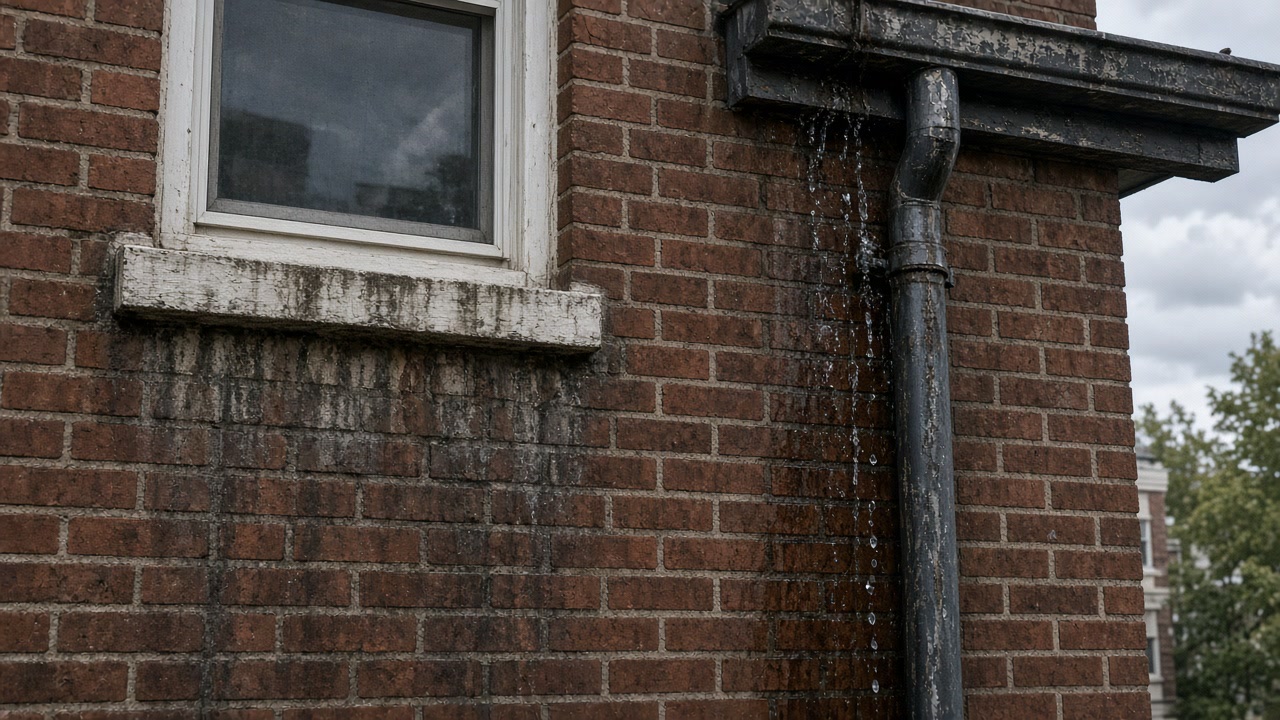
A USGS elevation query at Secaucus town hall returns 15.9 feet. The town's annex records 11 repetitive loss properties, 85 claims and about 889,000 dollars in loss payments against only 15 policies in force, and identifies several areas subject to tidal flooding that close roads and limit emergency vehicle access, together with a need to upgrade pump stations and install additional tide gates.
Source: Hudson County Office of Emergency Management, 2025 Hudson County Hazard Mitigation Plan, accessed 2026-09-21
All three combined sewer outfalls located in Secaucus are permitted to the North Bergen Township Municipal Utilities Authority, not to Secaucus, and all three discharge to Cromakill Creek at 51st Street and West Side Avenue and at two points on Paterson Plank Road.
Source: New Jersey Department of Environmental Protection, combined sewer outfall inventory served through the NJDEP ArcGIS mapping service, accessed 2026-09-21
Secaucus is the most owner occupied town covered here at 50.6 percent, with a median housing unit built in 1981, only 14.5 percent of stock predating 1939 and 34.7 percent of units in buildings of fifty or more.
Source: US Census Bureau, American Community Survey 2020-2024 five year estimates, accessed 2026-09-21
The county plan maps liquefaction susceptibility as very low along a central band of Hudson County running from Guttenberg to Bayonne, and high along Newark Bay, Upper New York Bay and the Hudson River, with parts of Secaucus, East Newark, Hoboken and Jersey City at low to moderate. It adds that man made fill overlies these soils in some areas.
Source: Hudson County Office of Emergency Management, 2025 Hudson County Hazard Mitigation Plan, accessed 2026-09-21
The EPA states that it is important to dry water damaged areas and items within 24 to 48 hours to prevent mold growth, and that in most cases mold will not grow if wet materials are dried within that window.
Source: United States Environmental Protection Agency, accessed 2026-09-21
EPA cleanup guidance says that absorbent or porous materials such as ceiling tiles and carpet may have to be thrown away if they become moldy, because mold can fill the crevices of porous materials and be impossible to remove completely. It also says not to paint or caulk moldy surfaces, since paint applied over them is likely to peel.
Source: United States Environmental Protection Agency, accessed 2026-09-21
The New Jersey Condominium Act defines common elements to include, as to any improvement, the foundations, structural and bearing parts, supports, main walls, roofs, basements, halls, corridors, lobbies, stairways, elevators, entrances and exits, excluding anything specifically reserved or limited to a particular unit. Limited common elements are those common elements reserved for the use of one or more specified units.
Source: New Jersey Legislature, reproducing N.J.S.A. 46:8B-3 in Senate bill S1013 of the 221st Legislature, accessed 2026-09-21
October 1, 2020 was the submission deadline for all New Jersey combined sewer overflow Long Term Control Plans. The public information site run jointly by the Jersey City MUA and the other Passaic Valley and North Bergen permittees states that the current Long Term Control Plan is under review by NJDEP and, to date, has not been accepted.
Source: Clean Waterways, Healthy Neighborhoods, the joint public information program of the PVSC and NBMUA combined sewer permittees including the Jersey City MUA, accessed 2026-09-21
How far up the wall did it get?
Water that spreads across a flat floor and water that rises through one need different work. Tell us the height and the material and we will tell you what can stay.
Your combined sewer outfalls belong to another township
Start with the thing that wastes the most time here. All three combined sewer outfalls inside Secaucus are permitted to the North Bergen Township Municipal Utilities Authority rather than to Secaucus, and all three discharge to Cromakill Creek, at 51st Street and West Side Avenue and at two points on Paterson Plank Road. Knowing that before you pick up the phone saves the round of transfers that usually happens first. The water behaves differently from anywhere on the ridge, too. The town's annex identifies several areas subject to tidal flooding that close roads and limit emergency vehicle access and records a need to upgrade pump stations and install additional tide gates, so the sensible precautions are the ones for water that arrives from the side and sits: get anything that matters off the floor and keep the finishes above it demountable. The county's liquefaction mapping puts parts of Secaucus in the low to moderate band on loose saturated ground, which is a water table map by another name, and a basement or slab in that band is fighting the ground rather than the weather. The one real local advantage is ownership. At 50.6 percent, Secaucus is the most owner occupied town in this area, with a median unit built in 1981, so the person with the damp problem is usually the person who can authorize the repair and can act inside the 24 to 48 hour window the EPA sets for drying wet material. In the 34.7 percent of units that sit in buildings of fifty or more, it is the association's element and the association's timetable instead.
Areas within Secaucus: Harmon Cove, Paterson Plank Road, Secaucus Junction, The Meadowlands side, Snake Hill
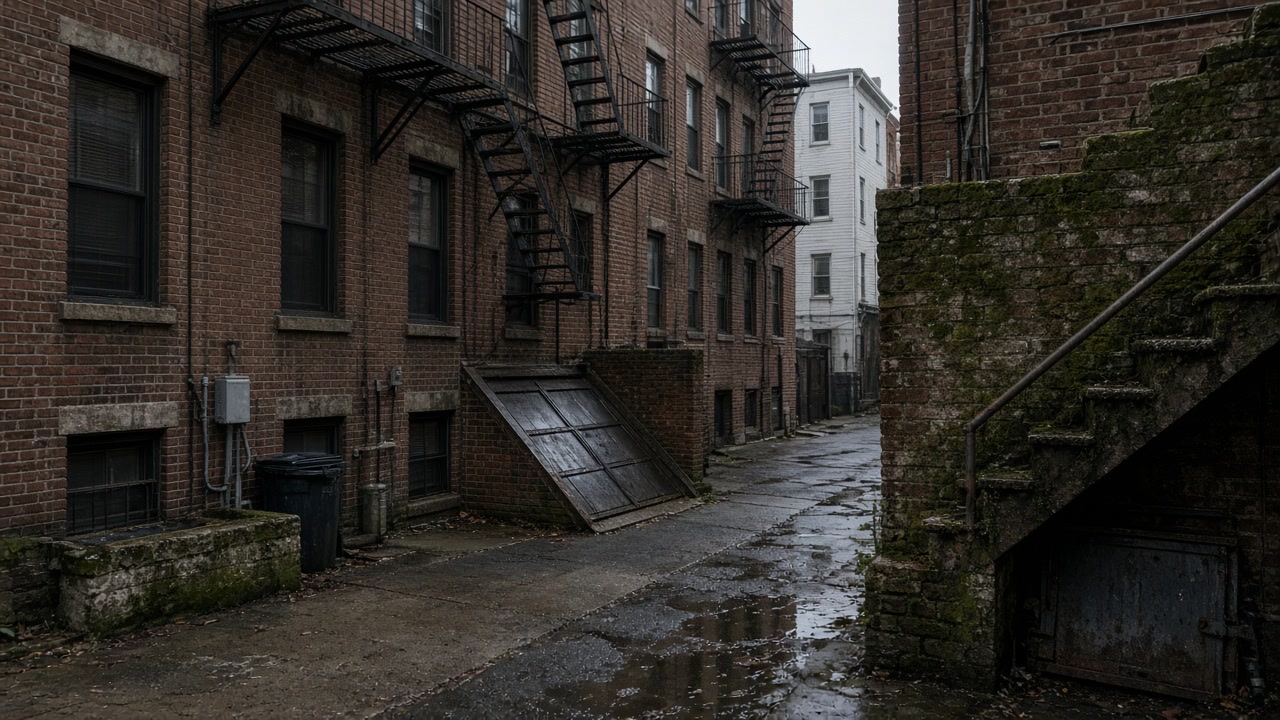
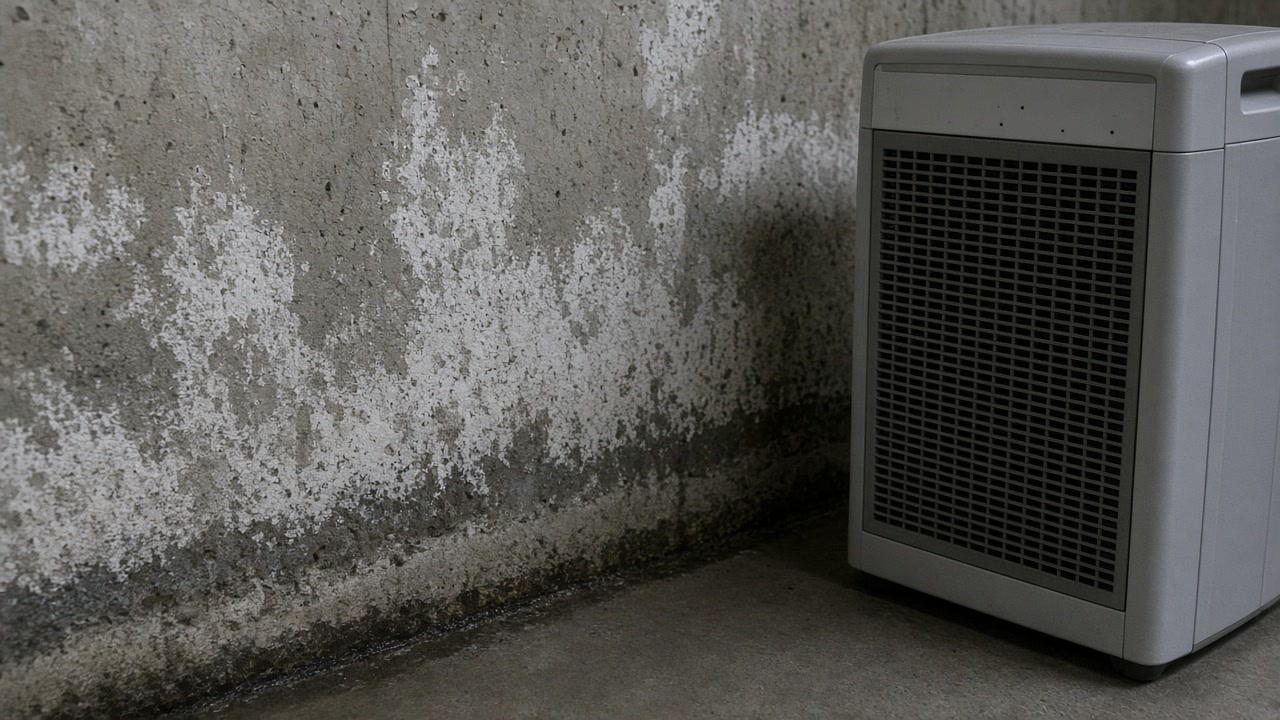
Harmon Cove, Paterson Plank Road and the Meadowlands edge
Mold Inspection and Testing
Find out what is actually growing, what water is feeding it and how far it runs, in a written report from a company that is not quoting for the removal.
Mold Inspection in Secaucus →Mold Remediation and Removal
Get the mold and the material holding it out of the building, with the water route closed first and the scope set by where the water came from rather than by the size of the stain.
Mold Removal in Secaucus →Water Damage Drying
Get the water out and the structure dry fast enough that mold never starts, and find out on day one whether what came in can lawfully be dried in place at all.
Water Damage Drying in Secaucus →Here, you can usually authorize this yourself
Most Secaucus owners can act inside the drying window without waiting on anyone. Send the details and we will arrange it. Phones answered 24/7.