Jersey City and the surrounding Hudson County area
Mold Remediation in Jersey City, Scoped to the Water That Caused It
Get the mold and the material holding it out of the building, with the water route closed first and the scope set by where the water came from rather than by the size of the stain.
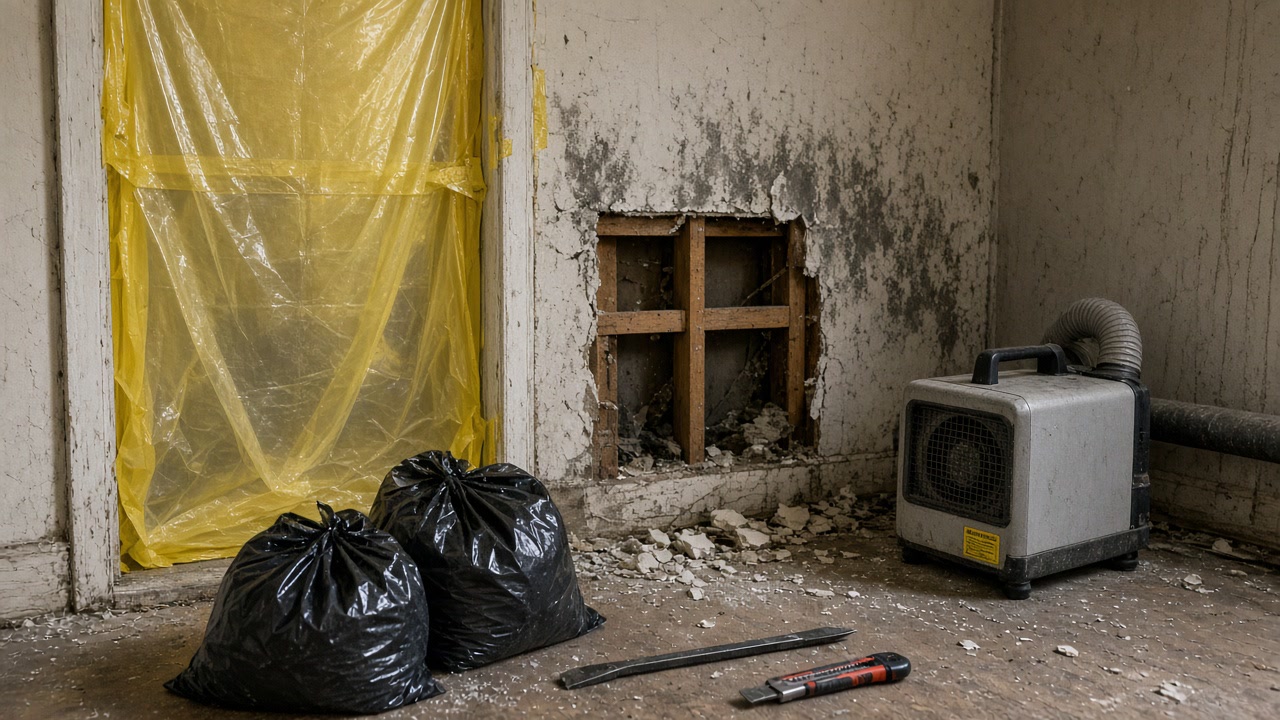
Mold Removal quote
Tell us what the report found, or what you can see if there is no report yet, and whether the water came up through the floor or in through a wall. That last answer moves the scope more than anything else you can tell us.
Would you rather talk it through? Call (315) 640-3590, answered 24/7.
$100 off your first job
Credited by us on your first booked job.
- One credit per customer per property, on your first booked job.
- Valid through December 31, 2026.
Mention this offer when you book. Full terms.
What a removal covers, and what decides how big it gets
What you get is the affected material out, the surfaces that can be kept cleaned properly, the room rebuilt, and a dated record of what came out and why. The size of that job is set by the water, not by the size of the stain. Jersey City runs one combined line carrying storm and waste together, so water that rose up a floor drain has been mixed with sewage in the street pipe, and the state's guidance is that sewage means additional steps to assess, clean and decontaminate: porous material leaves the building instead of being dried. Water that seeped through an old foundation wall on the ridge after a wet week is a drainage problem, and much of that room can usually be saved. That gap is exactly why the finding is bought from one company and the removal from another. The diagnosis decides the bill, so nobody should be writing both.
- Containment and negative air, so dust from opening a wall stays in the room it started in rather than moving through a shared stair or a riser
- Controlled removal of porous material that cannot be cleaned, which the EPA is direct about: absorbent items like ceiling tile and carpet may have to be thrown away because mold fills the crevices, and paint over a moldy surface is likely to peel
- HEPA vacuuming and detergent cleaning of the hard surfaces that can be kept, such as framing, masonry, concrete and metal
- The additional decontamination steps that apply where the water carried sewage, which in a combined sewer city is the normal case for anything that came up through a drain
- Closing the water route first, or confirming another trade has closed it, because cleaning a wall that is still being fed buys a repeat visit
- Work at the point of entry: grading, gutters and leaders, window and facade penetrations, foundation joints, or a backflow device where a floor drain is the route
- Rebuild of what came out, which in New Jersey is home improvement work needing a licensed contractor even though the removal half needs no state license at all
- The file an association, an insurer, a landlord or a future buyer asks for: what was removed, what was cleaned, what was replaced, and on what dates
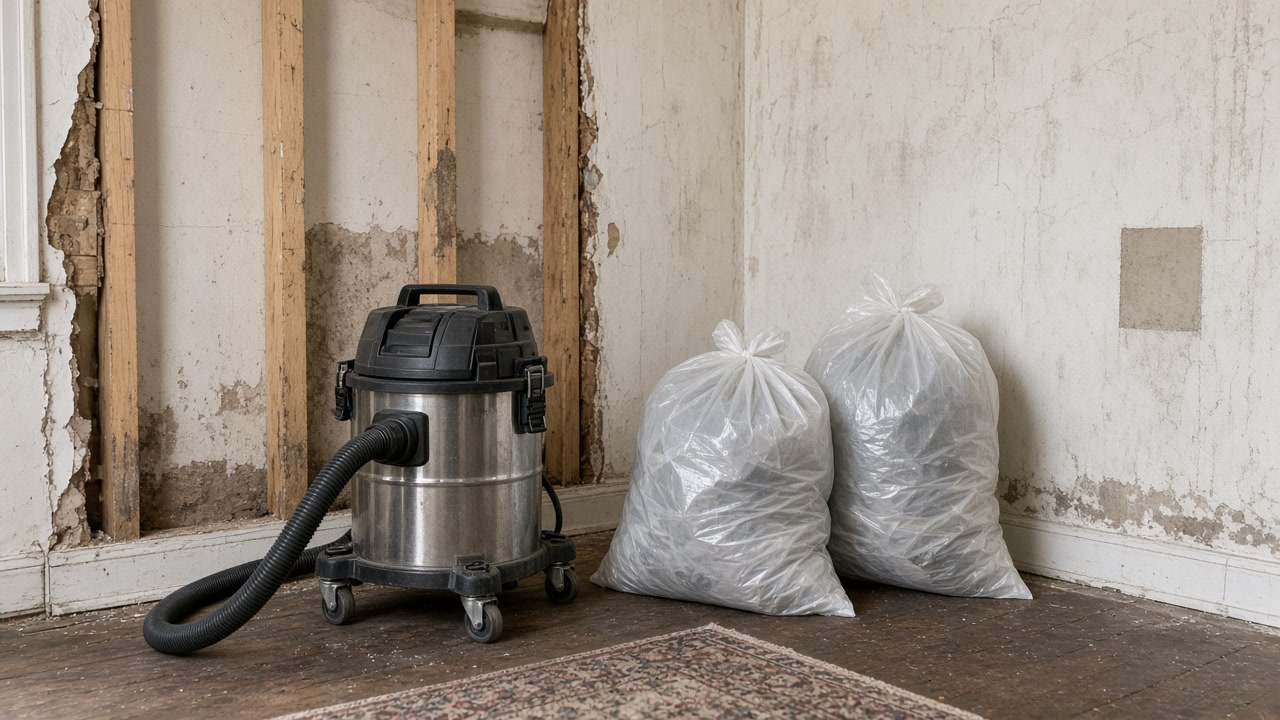
Why the same stain costs differently Downtown and in the Heights
Two rooms with the same square footage of growth can be two very different jobs. What moves it is the route the water took, what the wall is built from, how old the building is, and who is legally allowed to open it.
The route the water took
Twenty two active combined sewer outfalls sit inside the city, and the JCMUA says on its own page that storm and waste share one line which becomes inundated and sometimes overflows in heavy rain. Water up a drain is handled as contaminated and porous material leaves; water down a wall usually is not. That single distinction moves the scope and the price more than anything else on this list.
Whether the contamination call is actually supported
The IICRC consensus body stated in January 2026 that top down ingress, wind driven rain and weather related water are not automatically Category 3, and that the restorer has to inspect and gather information before deciding. If a roof leak has been priced as a full contaminated tear out, asking what evidence of gross contamination was found is a fair and specific question.
Whether the building predates 1978
The federal Renovation, Repair and Painting rule requires EPA firm certification for anyone paid to disturb painted surfaces in pre-1978 housing, and demolition of a painted surface is covered whatever its area, so cutting out painted drywall is not rescued by the small job exemption. Much of the stock here is old enough for that to bite, and New Jersey is not one of the fifteen jurisdictions running its own program, so the certification is federal and checkable through the EPA.
Who owns the wall
In a condominium the foundations, structural and bearing parts, main walls, roofs and basements are common elements. If that is where the water is, the association holds the repair and the authorization, and work started without it is work a single unit owner can end up funding alone.
How far up the building it is
29.3 percent of Jersey City units are in buildings of fifty or more, and around Newport the share reaches 91 percent. In a tower the crew moves through shared corridors and elevators on the association's terms, and the association's statutory right of access for common element repairs is often the lever that gets a stalled job started.
How large the affected area is
The Department of Health draws two lines: under about 10 square feet is often a homeowner job, over about 100 square feet calls for a contractor experienced in mold or environmental contamination cleanup, and the middle is where an independent opinion is worth buying. Any quote should say which side of those lines it thinks you are on.
Whether the work needs a permit or only a notice
Stripping and rebuilding a wet wall in a one or two family here is minor work under the state code: it can begin before a permit issues, but the enforcing agency has to be notified first and the application filed within five business days. The moment the job relocates a drain line or opens a loadbearing or fire rated assembly it has left that category entirely.
What the building is made of
The median housing unit in the Heights ZIP code dates from 1952 and the one at Newport from 2005. Lath and plaster on old masonry comes out differently from taped board on steel studs, and a company fluent in only one of the two will mis-scope the other.
Sewer water and rainwater are not the same job
Say how the water arrived and roughly how much wall is affected. That is enough to say which kind of removal this is, with no obligation attached.
The order this work has to happen in, and who signs off each part
Start from a finding somebody else wrote
The scope comes out of the inspection report: the areas affected, the cause, and what has to change. Working from a document produced by a company with no stake in the repair is what keeps the size of the job honest.
Close the water route before anything is cleaned
The state's resident guidance says it outright: before mold can be remediated the source of water should be fixed. A wall cleaned while it is still being fed is a bill you pay twice, and the second time you pay it at the worse price.
Establish who is authorizing the work
An owner, a landlord, a management company or an association board. In a condominium, work in a common element is the association's to authorize, and getting that on paper first is what stops a unit owner holding the invoice on their own.
Ask for the credentials that actually exist here
There is no state mold license in New Jersey to ask for, so ask for the ones that do exist. Jersey City registers contractors the state does not license, so a mold company working in the city should hold that registration. For pre-1978 housing ask for the EPA firm certification number under the federal renovation rule. Then ask who holds the home improvement license for the rebuild, and ask for proof of insurance.
Contain the area and take control of the air
Sheeting, sealed openings and negative pressure before anything is cut, so the work does not redistribute what it is removing into the rest of the building. In a tower that also means protecting the corridor and the elevator the material leaves through.
Remove, clean and dry
Porous material that cannot be cleaned comes out and is bagged. Hard surfaces are HEPA vacuumed and cleaned with detergent. The cavity is dried and the readings are taken before anything is closed back up.
Have the work checked by the company that assessed it
Verification by the independent party is the moment the separation pays for itself, because the people who did the removal are not the people certifying that the removal was enough.
Rebuild and document
New board, trim and flooring go back under a licensed home improvement contractor, which is the half of this job the state does regulate. The dated file you keep afterwards is what an insurer, a buyer or a board will ask to see.
Mold Removal work we have arranged
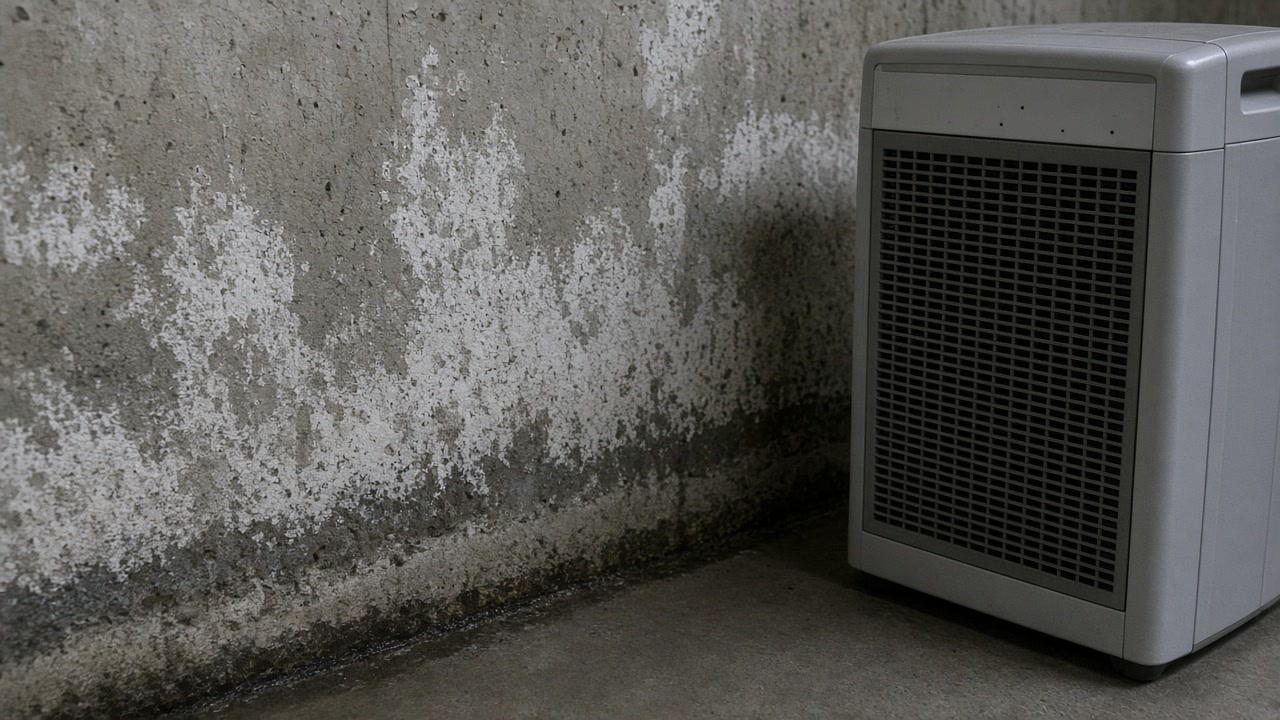
What mold removal looks like
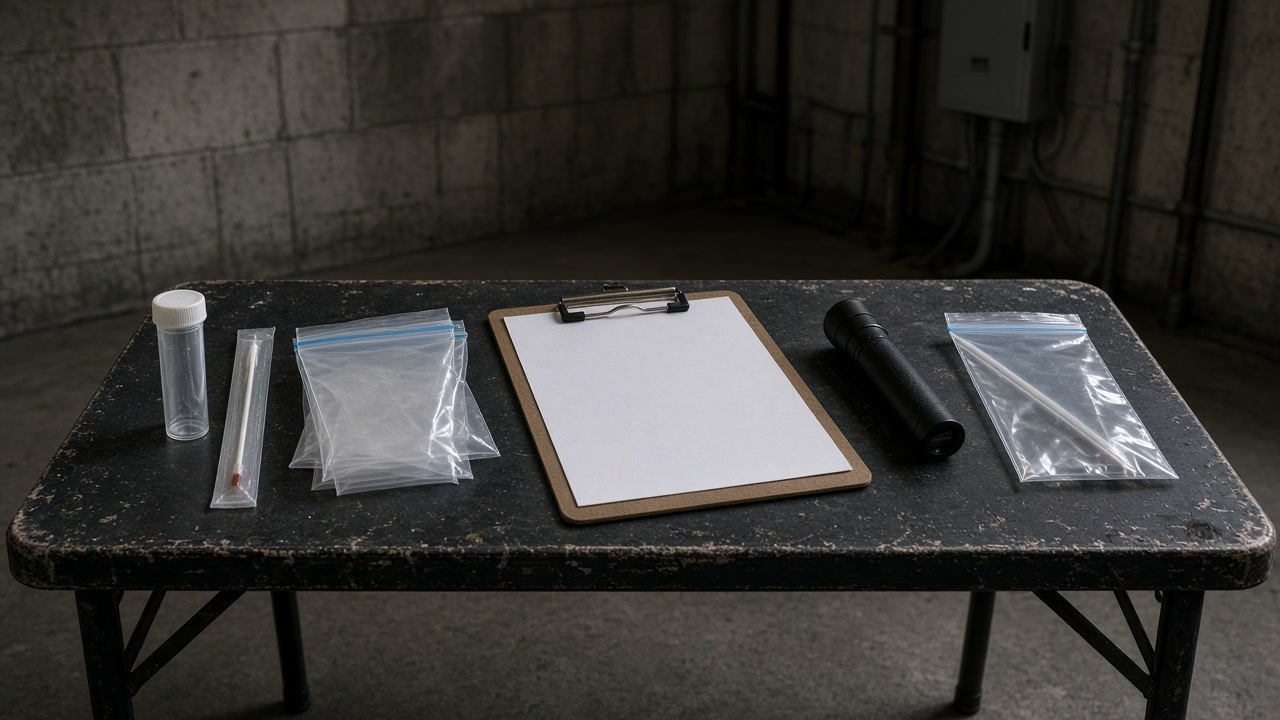
What sits outside a removal, and when you should not book one
When you may not need this at all
- Under about 10 square feet, the Department of Health says a homeowner or building maintenance staff, including staff at apartments and condominiums, may be capable of doing the work. A patch that size on a hard surface is detergent, water and airflow, and hiring a contractor for it is mostly paying for the truck.
- If water is still arriving, removal is premature. Close the route first. Anything taken out before the leak is corrected goes back into a wall that is still getting wet, and the state's resident guidance puts the order in exactly that sequence.
- If it is condensation on a cold surface rather than a leak, there may be nothing to remove once the humidity comes down. The mean July dew point at Newark Liberty is 63.3 degrees, so any surface cooler than that is making its own water all summer.
- If you rent, this is rarely your purchase to make. Put the water source in writing to the landlord and take the unrepaired leak to the building code office, which has authority over the leak that it does not have over the growth.
- If the wet element is a foundation, a main wall or a roof in a condominium, the association owns that repair. Get the report in front of the board before you authorize anything, because a unit owner who pays alone can be paying for somebody else's element.
- If a contractor has priced a full contaminated tear out for what was a rain leak, get a second opinion before signing. The industry's own standards body stated in January 2026 that wind driven rain and other weather related water are not automatically the most contaminated category and that the call has to be made on inspection.
What is out of scope
- The inspection that sets the scope, and the verification afterwards. Both are arranged with a different company on purpose.
- Any promise about what grows back. Mold spores are in outdoor air everywhere and return wherever material stays wet, so the durable part of this work is the water route rather than the cleaning.
- Lead and asbestos abatement as trades in their own right. Where a pre-1978 painted surface is disturbed, the work goes to a firm holding EPA firm certification under the renovation rule, and a suspected asbestos material is tested before anything is cut rather than after.
- Structural repair. Rotten framing, a failed retaining wall or a settled foundation is its own contract with its own trade.
- Insurance claim handling. The documentation is produced in a form an adjuster can use, and the claim itself stays between you and your insurer.
- Anything about health effects. This work is about the building.
- Work in a common element without the association's authorization. That is not something anyone can lawfully sell to a single unit owner.
Where we arrange mold removal around Jersey City
Questions to put to a removal company before you sign
Can the same company inspect and then remove?
In New Jersey nothing stops it, and that is the problem. Across the Hudson, New York licenses the assessor and the remover separately and forbids one company from doing both on the same property, calling it protection against fraud. Here the Department of Health can only recommend the split, which it does in the header of its own firms list and again in its resident booklet. We arrange two engagements so that recommendation is actually followed.
What should I ask a mold removal company for in Jersey City?
Four things, all of which exist and are checkable. A Jersey City contractor registration, because the city registers trades the state does not license and mold work is one of them. The EPA firm certification number under the federal renovation rule if the building predates 1978. The home improvement license for the rebuild half, which the state started licensing on February 1, 2026. And proof of insurance. If a company says it holds a state mold license, there is no such thing to hold.
Does the drywall have to come out?
Often, and the reason is physical rather than commercial. EPA guidance says absorbent or porous materials such as ceiling tile and carpet may have to be discarded because mold can fill the crevices and be impossible to remove completely, and that painting or caulking over a moldy surface produces a coat likely to peel. Hard surfaces get cleaned and kept. A quote that saves every porous material and prices a coating instead is selling you a repaint.
Was the water in my basement contaminated?
If it came up a floor drain in Jersey City, treat it as contaminated: the JCMUA states on its own page that storm and waste share one line and that the line can overflow in heavy rain. If it came off a roof or through a window, not automatically. The standards body for the trade said in January 2026 that weather related water is not automatically the worst category and that the restorer has to gather information before making that call.
Do I need a permit to have a wet wall stripped and rebuilt?
In a one or two family this is minor work under the state code: the job can start before a permit is issued, but the enforcing agency must be notified before work begins and the application filed within five business days. Jersey City also publishes its own list of ordinary maintenance needing no permit at all, which covers painting, flooring, trim and gutters. A contractor who says nothing has to be told anybody is wrong about the notice.
Who pays when the mold is in a condominium?
It depends which element is wet. The Condominium Act puts foundations, structural and bearing parts, main walls, roofs and basements in the common elements, so if the water is coming through one of those the association holds the repair. The association also has a right of access to units for maintaining or repairing common elements, which is the provision that gets a stalled investigation moving. Put the independent report in front of the board before you spend.
Send what you know and we will arrange the rest
The finding comes from one company and the removal from another, and both are licensed and insured for what they actually do. Phones are answered 24/7.