Water Damage Drying in Jersey City When Rain Beats the Tide
Two sentences get this moving: when the water arrived and how it got in. What you get back is the structure dried and readings that prove it.
Water Damage Drying quote in Jersey City
Tell us the street or the neighborhood, what you can see or smell, and whether the water came up through the floor or in through a wall. In this city those two answers point at different trades, different costs and often a different person who should be paying.
Would you rather talk it through? Call (315) 640-3590, answered 24/7.
$100 off your first job
Credited by us on your first booked job.
- One credit per customer per property, on your first booked job.
- Valid through December 31, 2026.
Mention this offer when you book. Full terms.
Why the Jersey City clock usually starts with rain
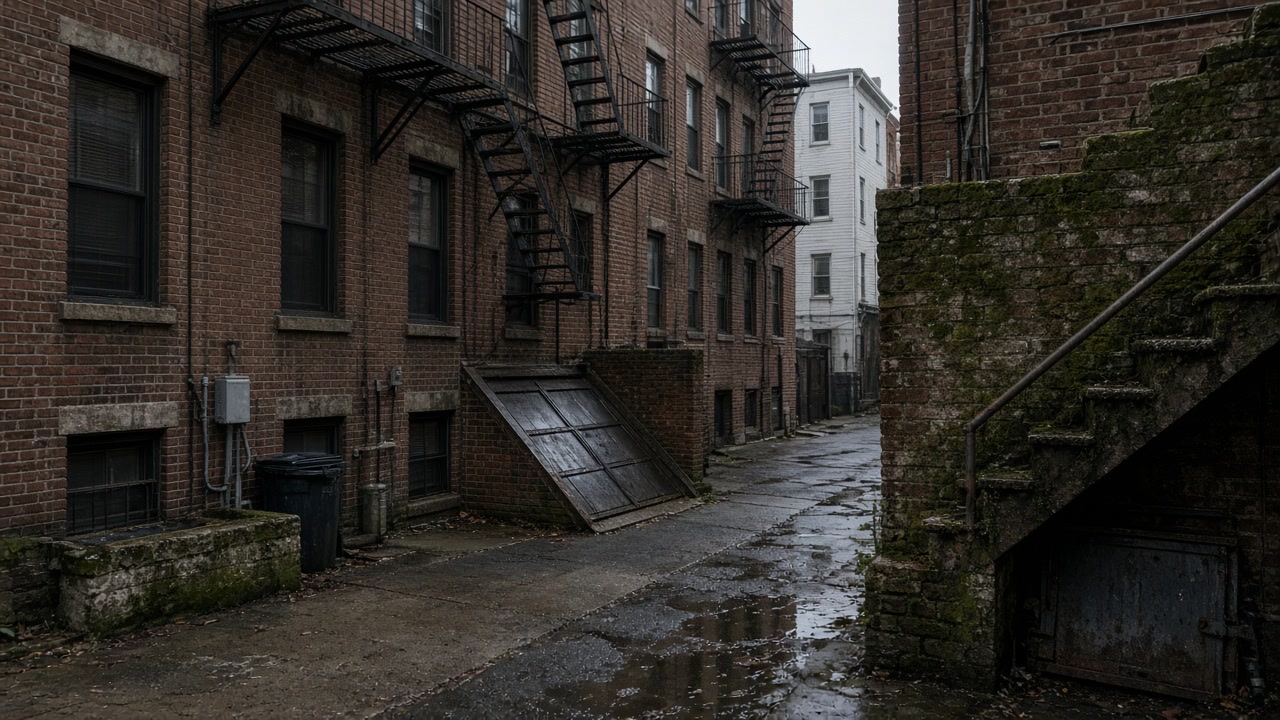
Drying is the cheap outcome and it has a deadline. The EPA puts the window at roughly 24 to 48 hours and says that in most cases mold will not grow if wet material is dried inside it. What usually decides whether a Jersey City basement stays inside that window is rain rather than the harbor: of the 1,822 flood insurance claims filed in the city since 1978, 1,015 are coded accumulation of rainfall or snowmelt against 357 tidal. Anyone waiting for a named storm before making the call has misread the record.
What water damage drying involves in Jersey City
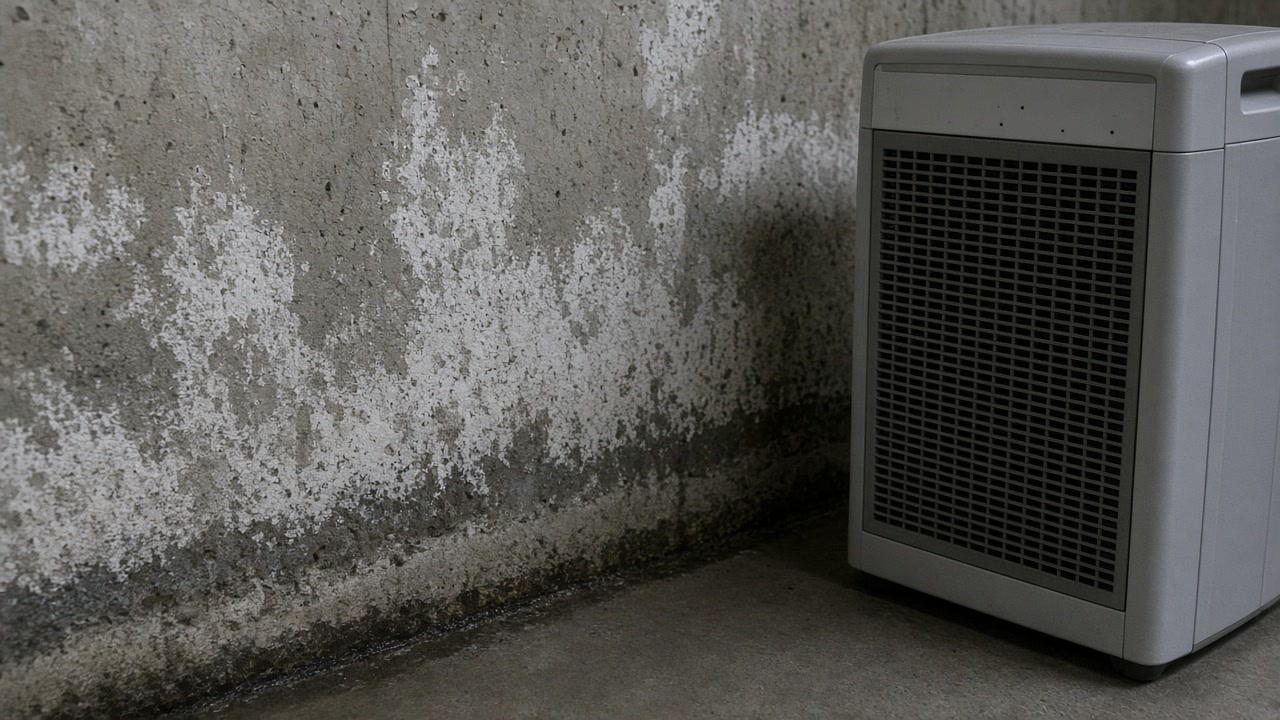
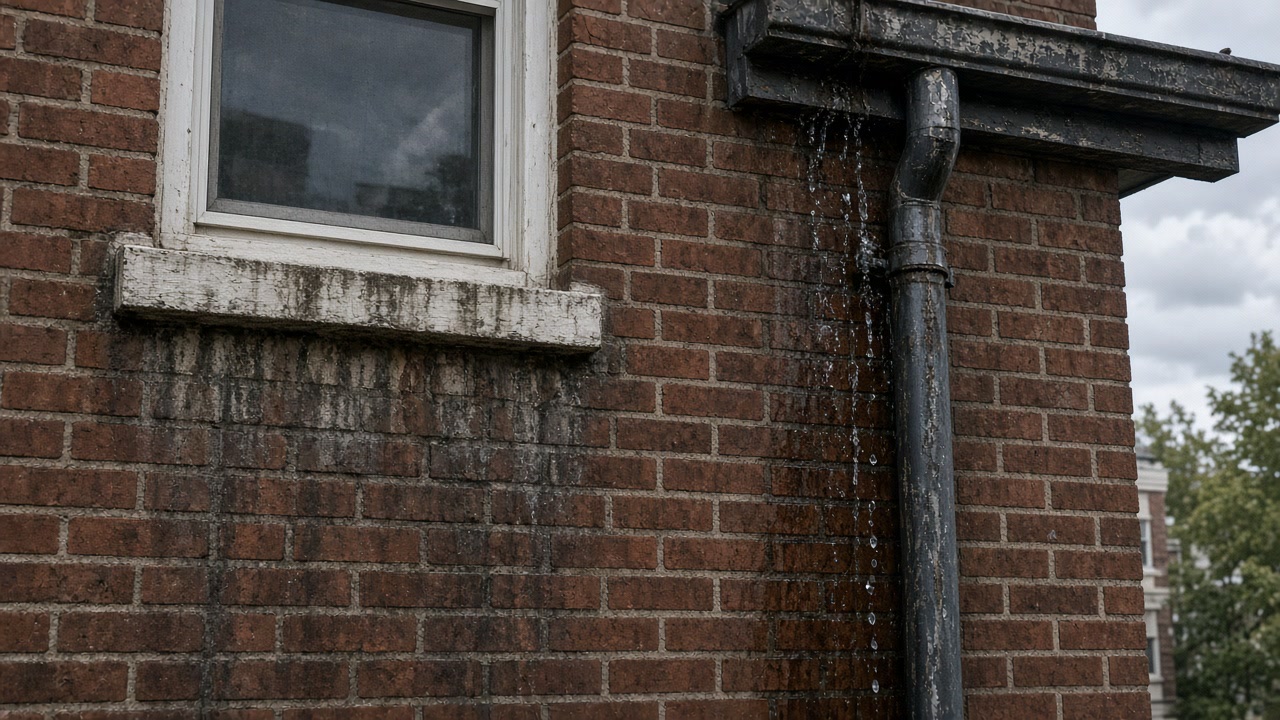
Clean, gray or contaminated: what your water had been through
Decide what the water actually was before you decide what can be kept. Water arriving down a wall or off a roof is not automatically grossly contaminated, and the consensus body for the trade states plainly that top down ingress, wind driven rain and weather related water are not automatically Category 3. Water arriving up through a floor drain in heavy rain is a different question, and the JCMUA annex names the area of Bates Street as taking combined sewer overflow that floods streets and buildings. The honest position is that the category follows what the water passed through on its way in, and overstating it is how a drying job becomes a strip out nobody needed.
How long the material has been sitting wet
Roughly 24 to 48 hours is the EPA's window, and inside it most wet material can be dried rather than replaced. The clock started when the water arrived, not when somebody called back.
Whether it came up a drain or down a wall
The JCMUA annex names the Bates Street area as taking overflow that floods streets and buildings. Water out of a shared line and water off a roof are priced differently and handled differently.
Whether anyone has said Category 3 without showing why
Category 3 means grossly contaminated water. Weather related water does not qualify by default, so the claim should come with a reason attached to it.
The Jersey City record behind a first day call
Coding the Jersey City claims by cause of damage gives 1,015 claims for accumulation of rainfall or snowmelt against 357 for tidal water overflow and 310 for stream, river or lake overflow. Rainfall is the single largest cause by count, at about 56 percent of all claims.
Source: Federal Emergency Management Agency, OpenFEMA FIMA NFIP Redacted Claims dataset v2, accessed 2026-09-21
The JCMUA annex of the county plan names the area of Bates Street as experiencing CSO flooding that floods streets and buildings, and proposes sewer separation there as its own mitigation action.
Source: Hudson County Office of Emergency Management, 2025 Hudson County Hazard Mitigation Plan, accessed 2026-09-21
The EPA states that it is important to dry water damaged areas and items within 24 to 48 hours to prevent mold growth, and that in most cases mold will not grow if wet materials are dried within that window.
Source: United States Environmental Protection Agency, accessed 2026-09-21
The ANSI/IICRC S500 consensus body position statement of January 2026 says that top down water ingress, wind driven rain and water from weather related events are not automatically Category 3 water. Category 3 is defined as grossly contaminated water that can contain pathogenic, toxigenic or other harmful agents, and the restorer must inspect and gather information before making that determination.
Source: ANSI/IICRC S500 Consensus Body position statement, January 2026, accessed 2026-09-21
Hurricane Sandy produced 642 Jersey City flood claims and about 41.9 million dollars, of which 277 were coded tidal. The remnants of Hurricane Ida produced 195 claims and about 4.2 million dollars, of which 156 were coded rainfall or snowmelt and only 6 tidal.
Source: Federal Emergency Management Agency, OpenFEMA FIMA NFIP Redacted Claims dataset v2, accessed 2026-09-21
Still wet right now?
Phone instead of typing. On the first day the hours matter far more than the detail does.
If drying is no longer enough in Jersey City
Asked while a Jersey City floor is still wet
It rained hard and the basement took water, but there was no storm on the news. Is that still worth recording?
It is the most common version of this here. Rainfall or snowmelt accounts for 1,015 of the city's flood insurance claims against 357 coded tidal, and the remnants of Ida produced 195 claims of which only 6 were tidal. Photograph it, note the hour the water arrived, and get readings taken while the material is still wet.
Somebody told me sewer water means everything has to go. Is that right?
Not automatically, and the trade's own consensus body says so. Category 3 is defined as grossly contaminated water, and top down ingress, wind driven rain and weather related water do not fall into it by default. What matters is where the water had been. A drain backup in a combined system is treated differently from a downspout that let go, and the difference is decided on evidence.
Tell us the hour it arrived
When, where it came in, and what is still damp. Phones answered 24/7.