Mold Removal in Hoboken, Kept Separate From the Finding
The removal is arranged with a firm that had no hand in writing the finding. In Hoboken that is the part worth holding onto.
Mold Removal quote in Hoboken
Tell us the street or the neighborhood, what you can see or smell, and whether the water came up through the floor or in through a wall. In this city those two answers point at different trades, different costs and often a different person who should be paying.
Would you rather talk it through? Call (315) 640-3590, answered 24/7.
$100 off your first job
Credited by us on your first booked job.
- One credit per customer per property, on your first booked job.
- Valid through December 31, 2026.
Mention this offer when you book. Full terms.
Ten square feet, a hundred, and what the water carried
Weigh the size honestly before you hire anybody. The Department of Health says that for a small area under about 10 square feet a homeowner or building maintenance staff, including staff at apartments and condominiums, may be capable of doing the work, and that above roughly 100 square feet a contractor experienced in mold or environmental remediation should be engaged. Weigh the water second, because where what caused the growth contained sewage the same guidance calls for additional steps to assess, clean and decontaminate the area. Neither question is answerable from a photograph on a phone, which is why the written finding comes first.
Whose element the wall is
With 92.7 percent of units in buildings of three or more, the wall being opened usually belongs to the building rather than to the person who can see the mold on it.
How large the affected area really is
Under about 10 square feet the state guidance says a homeowner or maintenance staff may be capable of the work. Over roughly 100 it recommends an experienced contractor.
Whether sewage was involved
Where the water contained sewage, additional steps are required to assess, clean and decontaminate, and the plan should record the other contaminants that could be present.
The Hoboken detail behind a shared wall removal
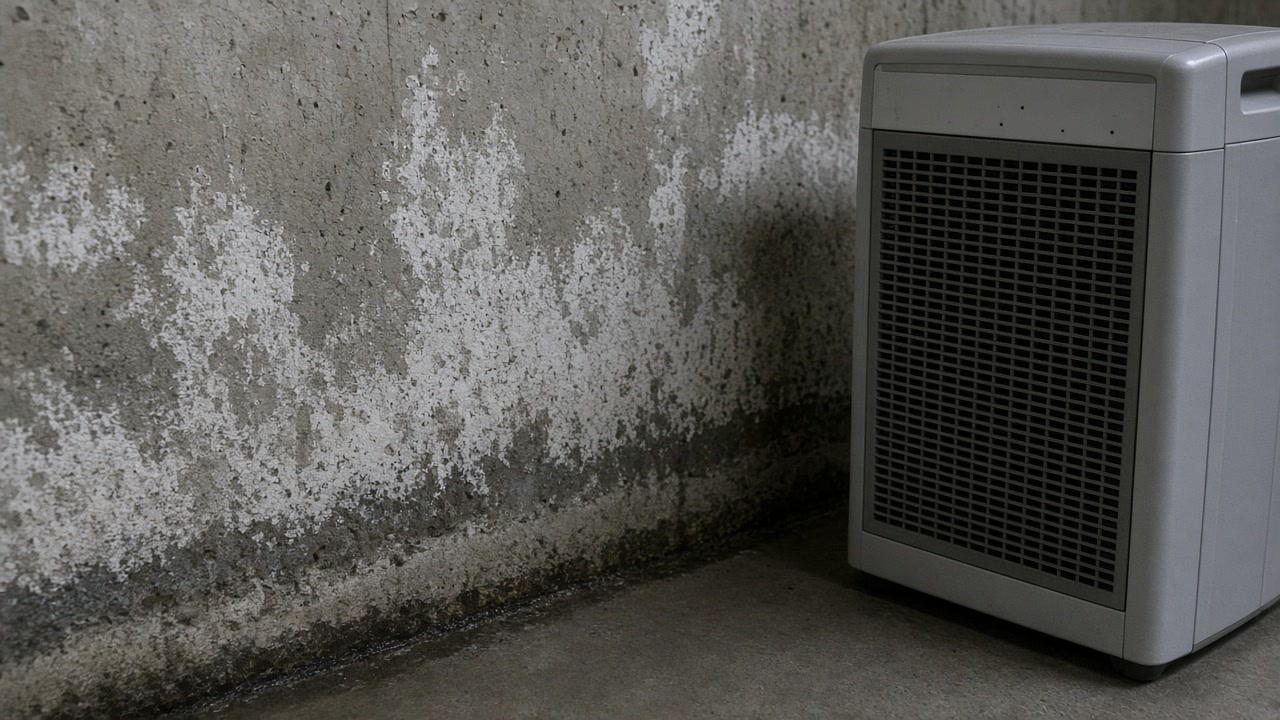
Hoboken's median housing unit was built in 1977, but 32.2 percent of its 30,259 units date from 1939 or earlier and 33.0 percent from 2000 or later. 92.7 percent of units sit in buildings of three or more, the highest share in the county, and only 372 units in the whole city are single family detached.
Source: US Census Bureau, American Community Survey 2020-2024 five year estimates, accessed 2026-09-21
The same booklet says that for small areas of under about 10 square feet a homeowner or building maintenance staff, including staff at apartments and condominiums, may be capable of doing the work; that for areas greater than about 100 square feet a qualified contractor experienced in mold or environmental contamination cleanup should be hired; and that a professional opinion should be sought for anything between the two.
Source: New Jersey Department of Health, Consumer, Environmental and Occupational Health Service, accessed 2026-09-21
The booklet states that if the water that caused the mold contained sewage or other hazardous substances, additional steps would be required in order to assess, clean and decontaminate the area, and that a remediation plan should record information on other contaminants that could be present, especially from sewage leaks or floodwater.
Source: New Jersey Department of Health, Consumer, Environmental and Occupational Health Service, accessed 2026-09-21
New Jersey's Hotel and Multiple Dwelling Law covers buildings of three or more units, which must be registered with the Department of Community Affairs and are inspected by its Bureau of Housing Inspection on a cycle. Buildings of one and two units fall outside that state inspection system.
Source: New Jersey Department of Community Affairs, Bureau of Housing Inspection, accessed 2026-09-21
What mold removal involves in Hoboken
What actually holds up a Hoboken removal
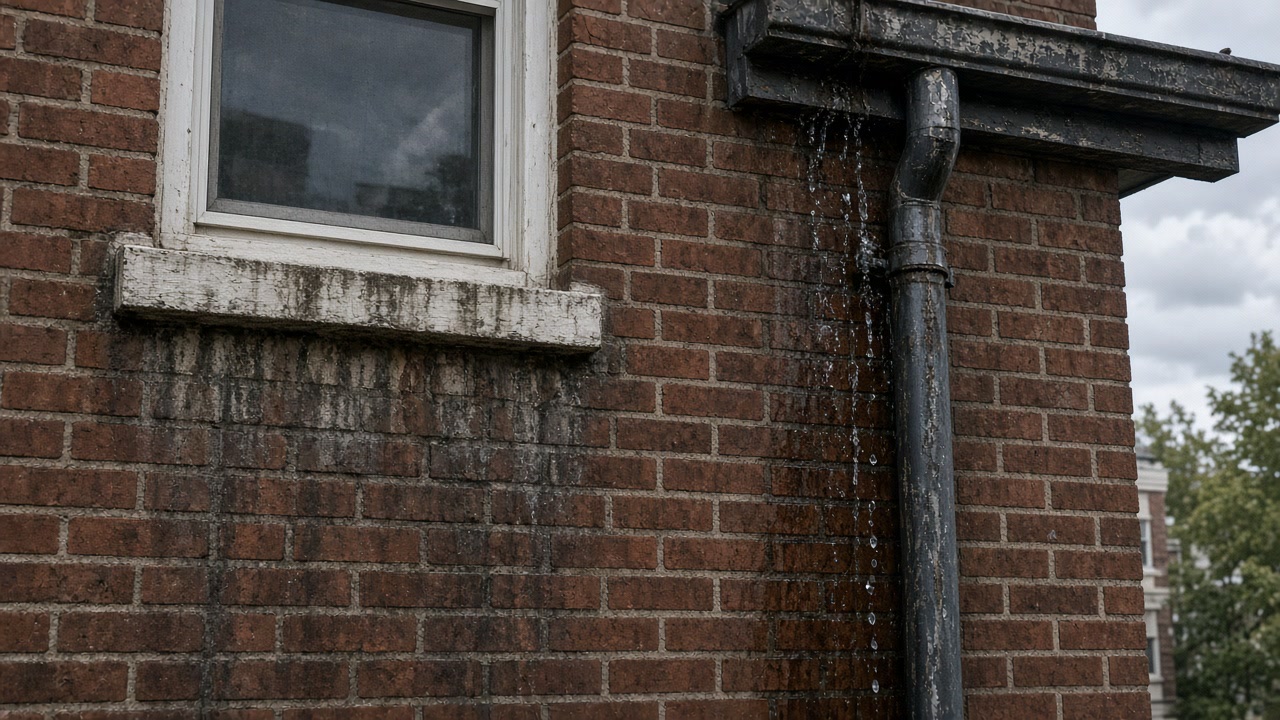
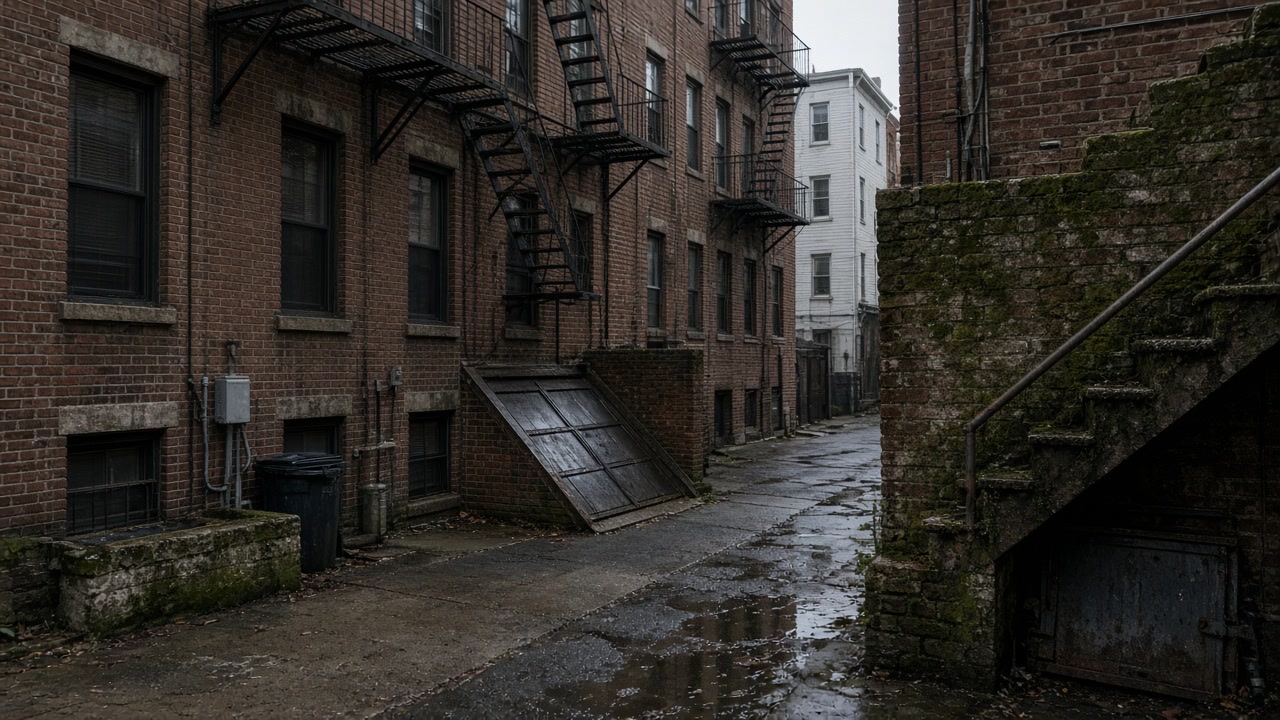
Kept short deliberately. The practical problem with a Hoboken removal is rarely the cleaning, it is the wall: 92.7 percent of units sit in buildings of three or more and the basement is nearly always shared, so the scope has to be agreed with whoever owns the element before anyone opens it. The other half is the scope itself, which should come from a company with nothing to gain from it being large. Both of those get settled before a price means anything at all.
Agree the wall before you price the work
Tell us the shape of the building and we will say what has to be settled first.
Two straight answers on Hoboken removals
Who is responsible for a removal in a three unit Hoboken building?
It depends on the element and the ownership, and there is a state layer over the top. Buildings of three or more units are registered with the Department of Community Affairs and inspected by its Bureau of Housing Inspection on a cycle, which gives a tenant an escalation route that a two unit building does not have. Where the wall is a common element, the association or the owner carries the repair.
Is there a license we should be checking?
For the mold work itself, no, because New Jersey does not issue one. What exists is the separation: keep the company that wrote the scope apart from the company doing the work, and ask the contractor what they are licensed and insured for on the rebuild half, which is a different and entirely real question.
A short conversation, not a sales call
Send what you have. If this belongs to the building rather than to you, you will hear that.