Water Damage Drying in Weehawken After One Night in 2012
Ring while it is still wet and there is a real chance this never becomes a removal job at all. You get extraction, air movement and readings that show when it is finished.
Water Damage Drying quote in Weehawken
Tell us the street or the neighborhood, what you can see or smell, and whether the water came up through the floor or in through a wall. In this city those two answers point at different trades, different costs and often a different person who should be paying.
Would you rather talk it through? Call (315) 640-3590, answered 24/7.
$100 off your first job
Credited by us on your first booked job.
- One credit per customer per property, on your first booked job.
- Valid through December 31, 2026.
Mention this offer when you book. Full terms.
The Weehawken water that is not a hurricane
Most wet floors in Weehawken have nothing to do with the storm everybody remembers. 88 of the township's 114 flood insurance claims came from Hurricane Sandy alone, about 7.5 million of the 8.5 million dollars ever paid, which leaves the rest of the record as a thin trickle of ordinary events. Ordinary events run the same clock: the EPA puts the drying window at roughly 24 to 48 hours and says that in most cases mold will not grow if wet materials are dried inside it. A burst supply line on Park Avenue gets you there just as fast as a hurricane did.
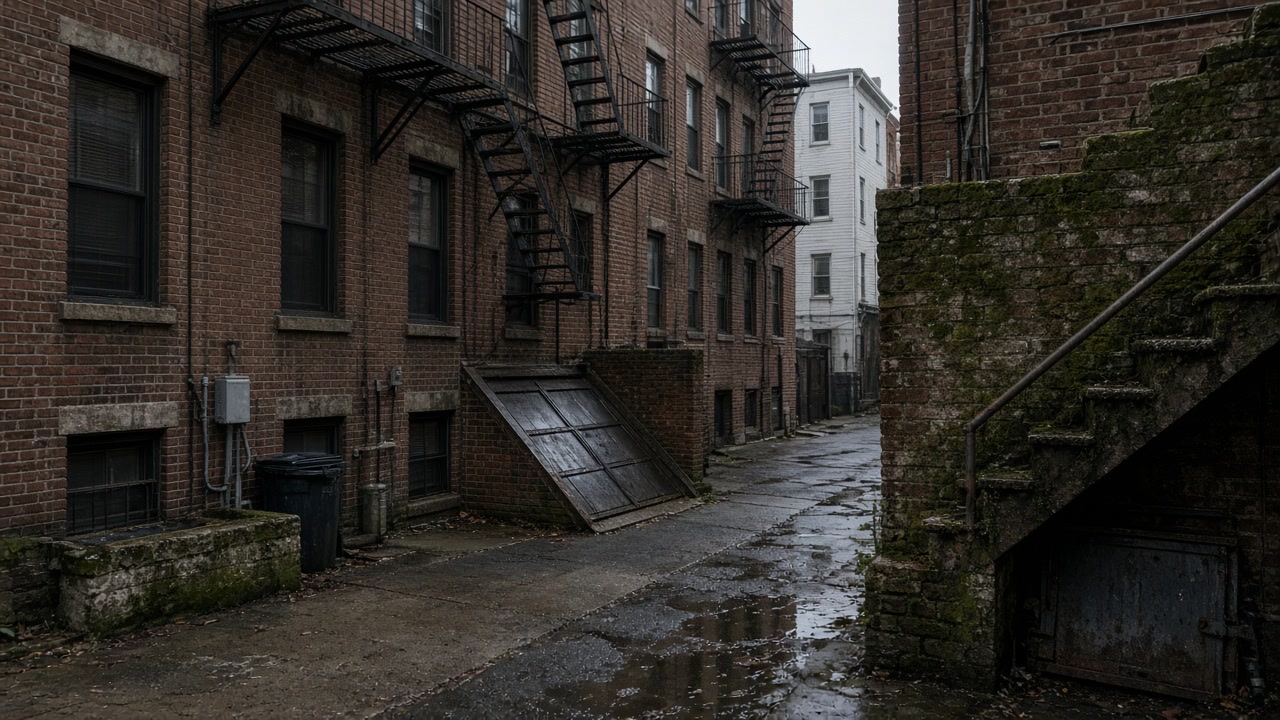
What water damage drying involves in Weehawken
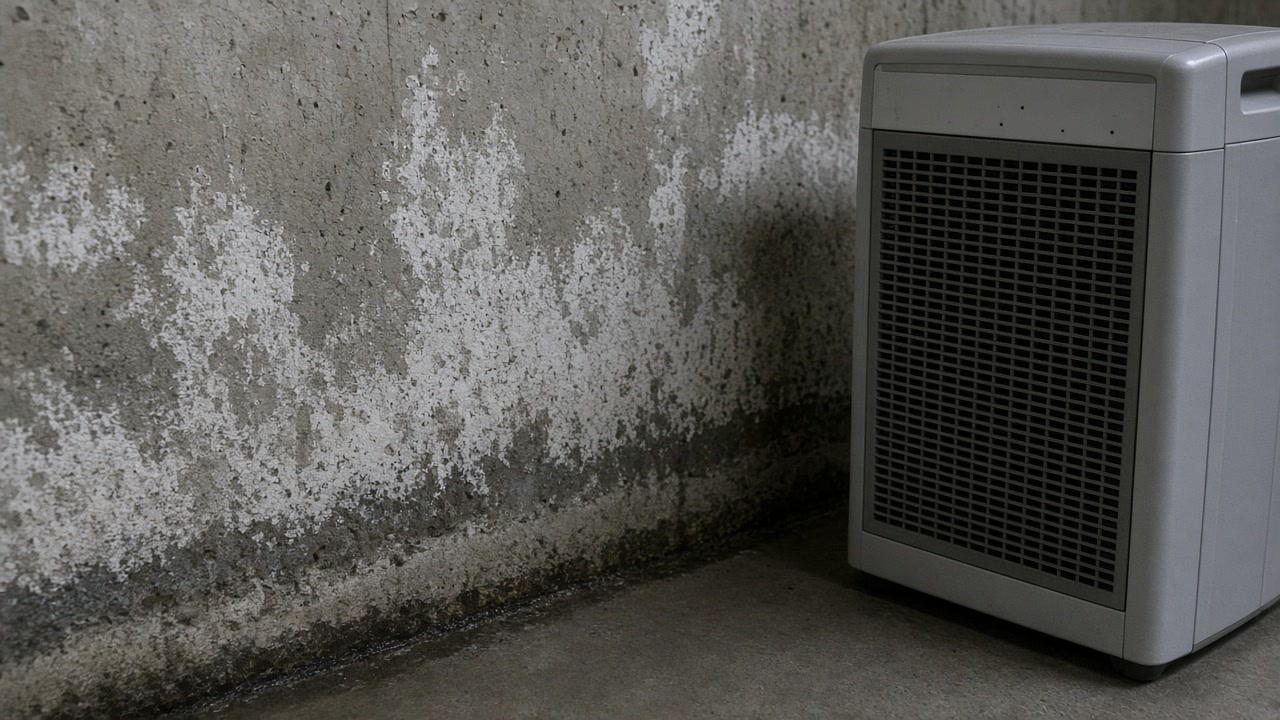
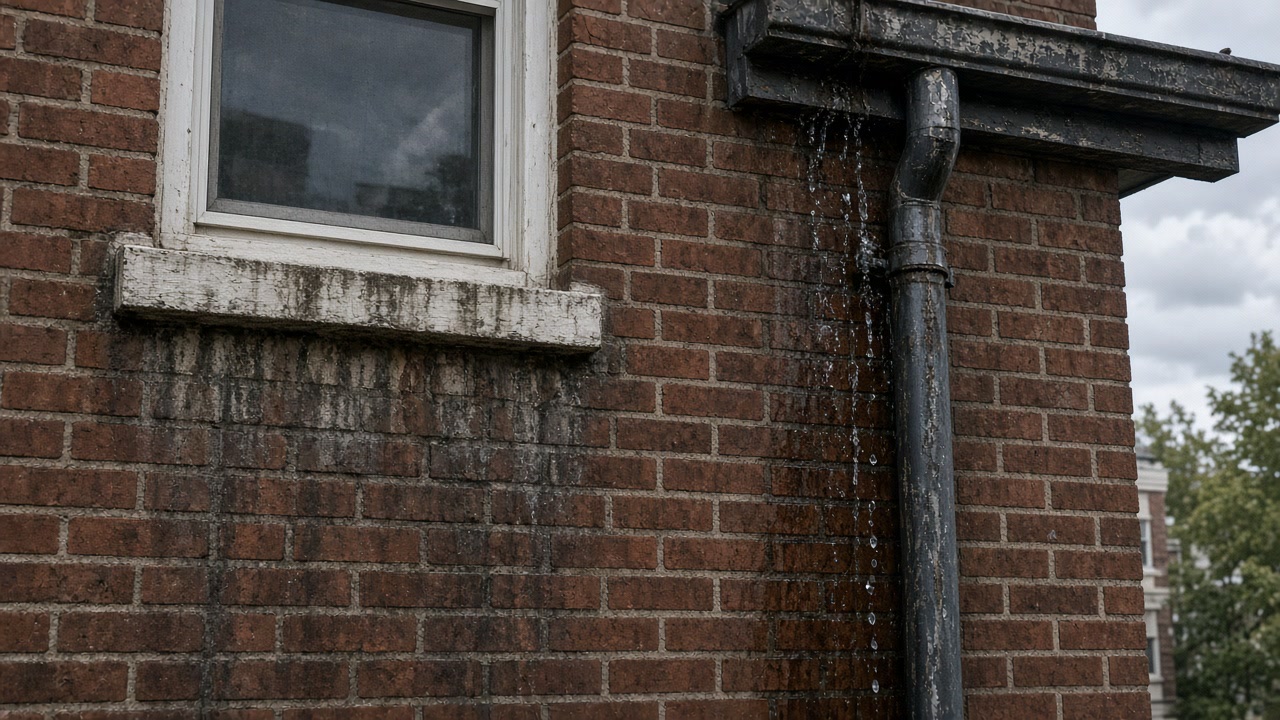
Top of the cliff, bottom of it, and what arrives at each
Decide what happened before you decide the category, because the two halves of the township produce different water. At the foot of the hill, where both repetitive loss properties sit in the Shades and where there is no stand alone stormwater ordinance, the arriving water may have been in a shared line, and the three outfalls here belong to the North Hudson Sewerage Authority Adams Street plant. Up on the Boulevard it is far more likely to be a pipe, a roof or the hillside. The consensus body for the trade says weather related water is not automatically grossly contaminated, so the category is argued from what the water touched.
When the water arrived, to the hour if you can
The window is roughly 24 to 48 hours and it runs from arrival. Most of the value of a first day call is spent inside the first few hours of it.
Where in the township the building sits
Both repetitive loss properties are in the Shades, and the three outfalls belong to the North Hudson Sewerage Authority Adams Street plant. On the Boulevard neither of those is the likely source.
Whether contamination has been claimed or shown
Top down ingress, wind driven rain and weather related water are not automatically Category 3. That cuts both ways, so ask what the assessment was actually based on.
Weehawken's claim record and the first 48 hours
A USGS elevation query on Boulevard East in Weehawken returns 174.4 feet. Of the township's 114 flood insurance claims on record, 88 came from Hurricane Sandy alone, accounting for about 7.5 million of the 8.5 million dollars ever paid there.
Source: US Geological Survey, 3D Elevation Program point query service, accessed 2026-09-21
The EPA states that it is important to dry water damaged areas and items within 24 to 48 hours to prevent mold growth, and that in most cases mold will not grow if wet materials are dried within that window.
Source: United States Environmental Protection Agency, accessed 2026-09-21
Weehawken's annex identifies its two repetitive loss properties as being in the southwest part of the township, in the area known as the Shades, and notes that the township lacks a stand alone stormwater ordinance. Its three combined sewer outfalls all belong to the North Hudson Sewerage Authority Adams Street plant.
Source: Hudson County Office of Emergency Management, 2025 Hudson County Hazard Mitigation Plan, accessed 2026-09-21
The ANSI/IICRC S500 consensus body position statement of January 2026 says that top down water ingress, wind driven rain and water from weather related events are not automatically Category 3 water. Category 3 is defined as grossly contaminated water that can contain pathogenic, toxigenic or other harmful agents, and the restorer must inspect and gather information before making that determination.
Source: ANSI/IICRC S500 Consensus Body position statement, January 2026, accessed 2026-09-21
Still wet, or drying out on its own?
Say when it started and what is underfoot. That is enough to tell you whether equipment helps.
If a Weehawken floor stayed wet too long
Weehawken callers ask this while it is still running
Is this worth calling anyone about if it is only a small area?
Sometimes not. A clean spill on a hard floor in a room you can shut and dehumidify is often a weekend and a fan. What changes it is time and material: carpet, underlay, plaster and any cavity hold water long after the surface reads dry, and the window before growth starts is roughly a day to two days.
The building says the water was clean. Do I have to take their word for it?
No, and it is fair to ask how they know. Category 3 means grossly contaminated water, and the consensus standard says top down ingress, wind driven rain and weather related water are not automatically in that category, which also means a drain backup is not automatically clean. The honest answer comes from where the water entered and what it ran across, and that gets recorded on day one or not at all.
Two lines is enough to start
When it happened, where it came in, what is still damp. Phones answered 24/7.