Hudson County
Hoboken Mold Removal, Scoped to One Square Mile
Tell us what you can see and we will tell you whether it needs a contractor at all, and if it does, keep whoever assesses it separate from whoever removes it. Hoboken is its own basin with its own operator: all three of its combined sewer outfalls are permitted to the North Hudson Sewerage Authority Adams Street plant, while twenty one of Jersey City's route to the Passaic Valley plant in Newark.
Request a quote in Hoboken
Tell us the street or the neighborhood, what you can see or smell, and whether the water came up through the floor or in through a wall. In this city those two answers point at different trades, different costs and often a different person who should be paying.
Would you rather talk it through? Call (315) 640-3590, answered 24/7.
$100 off your first job
Credited by us on your first booked job.
- One credit per customer per property, on your first booked job.
- Valid through December 31, 2026.
Mention this offer when you book. Full terms.
One square mile, one sewer authority, and a basement you share
Hoboken runs on a different system from Jersey City and it is worth saying plainly, because advice does not cross the city line. All three Hoboken outfalls belong to the North Hudson Sewerage Authority Adams Street plant and discharge to the Hudson, and the city's own annex records 2,210 claims, about 56.2 million dollars in loss payments, 8,143 policies in force and 274 repetitive loss properties, which is a far more insured city than its neighbor. The other Hoboken specific is ownership. 92.7 percent of units sit in buildings of three or more and only 372 units in the whole city are single family detached, so a basement here is nearly always shared. Under the New Jersey Condominium Act foundations, main walls, roofs and basements are common elements, and buildings of three or more units are registered with the Department of Community Affairs and inspected on a cycle by its Bureau of Housing Inspection. In practice the first call about a wet wall in Hoboken goes to the building rather than to a contractor, and we will tell you when that is the whole answer. Where it is not, size is the next question: the Department of Health puts under about 10 square feet within reach of a homeowner or maintenance staff, over about 100 square feet with a contractor experienced in this work, and anything between the two worth a professional opinion first.
Areas within Hoboken: Uptown Hoboken, Downtown Hoboken, The Southwest, The Hoboken waterfront
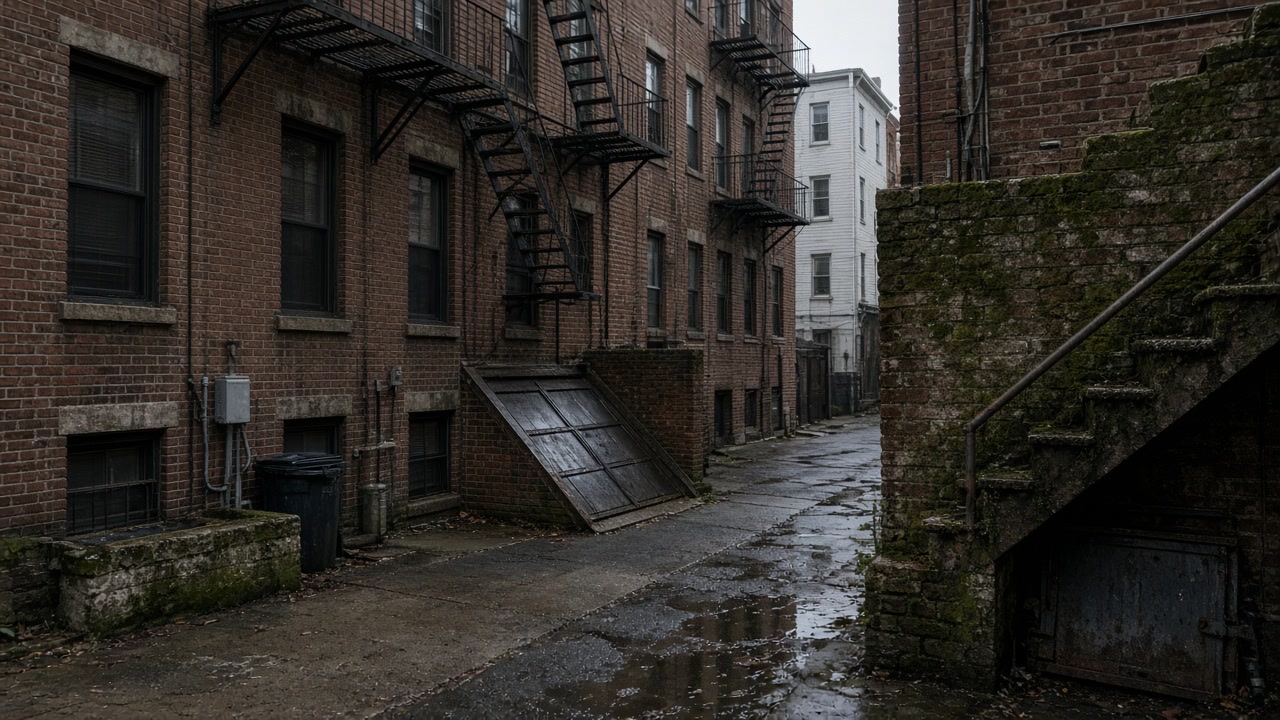
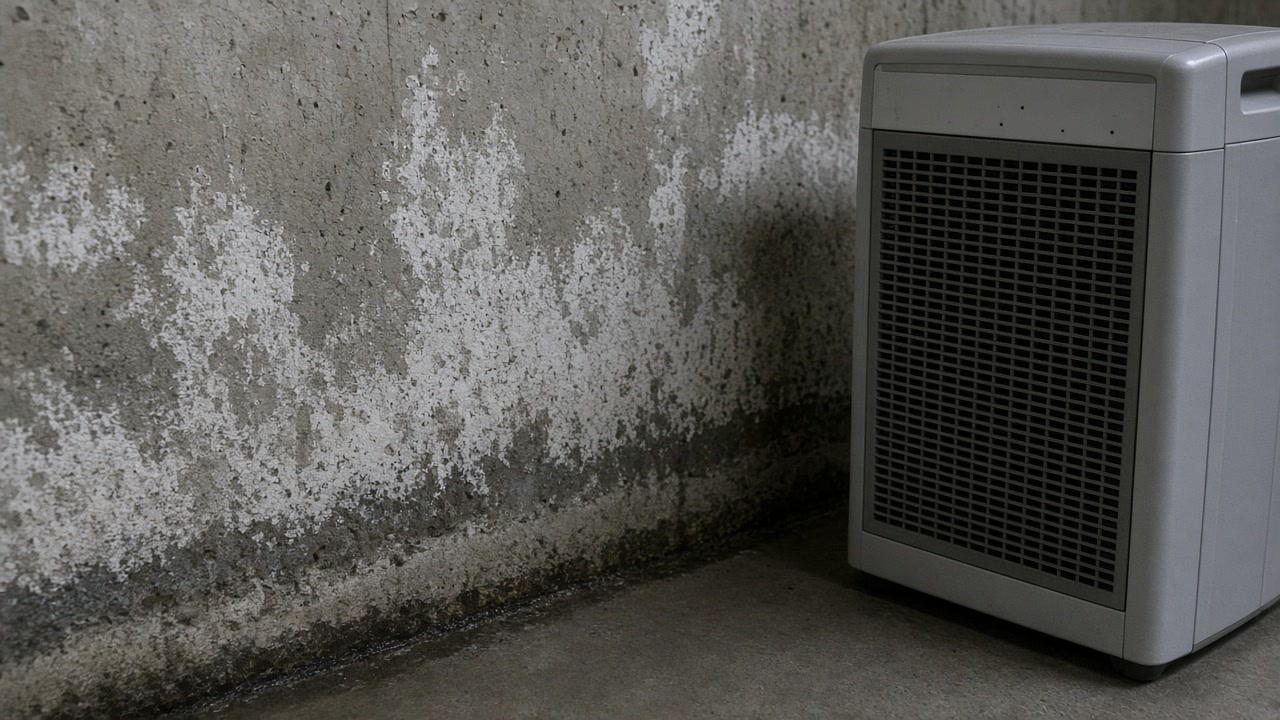
Shared wall, shared problem
Tell us the building and what you can see. We will tell you what to put to the association or the managing agent, in language they have to answer.
What a Hoboken caller can actually book through us
Mold Inspection and Testing
Find out what is actually growing, what water is feeding it and how far it runs, in a written report from a company that is not quoting for the removal.
Mold Inspection in Hoboken →Mold Remediation and Removal
Get the mold and the material holding it out of the building, with the water route closed first and the scope set by where the water came from rather than by the size of the stain.
Mold Removal in Hoboken →Water Damage Drying
Get the water out and the structure dry fast enough that mold never starts, and find out on day one whether what came in can lawfully be dried in place at all.
Water Damage Drying in Hoboken →Hoboken's record is not Jersey City's, and here is the difference
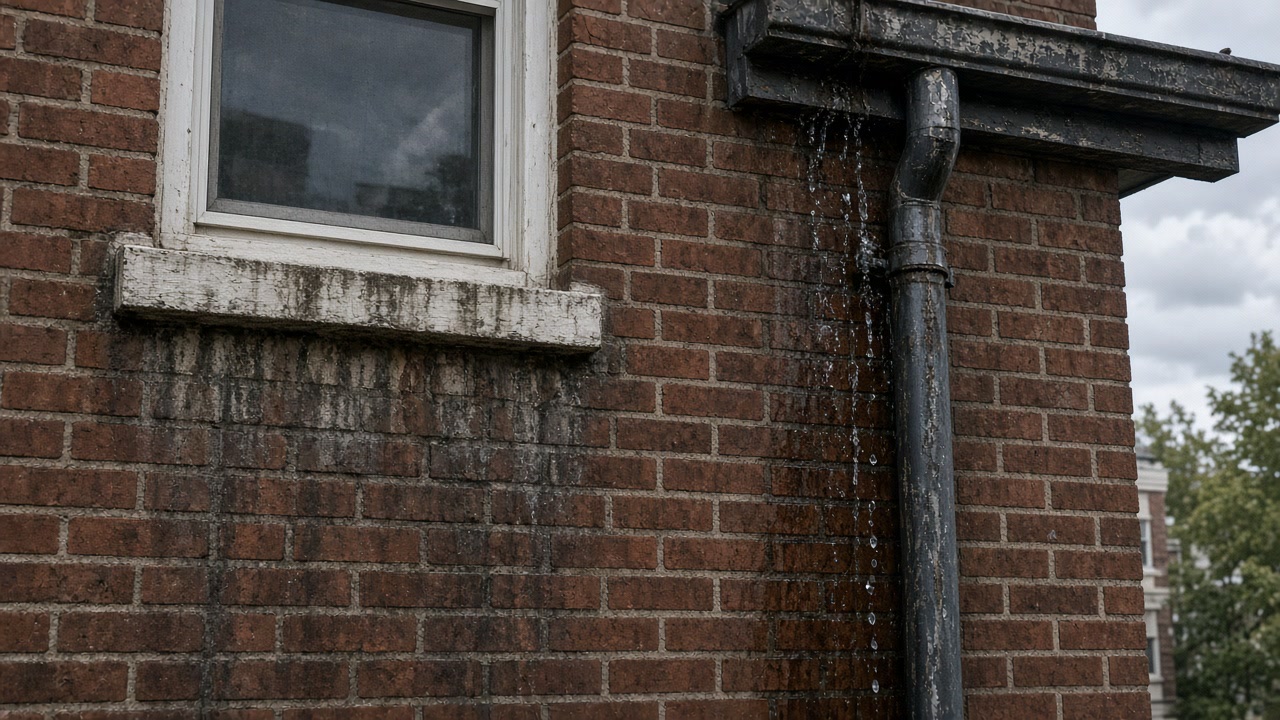
All three of Hoboken's combined sewer outfalls are permitted to the North Hudson Sewerage Authority Adams Street plant and discharge to the Hudson River. Hoboken's annex records 2,210 claims, about 56.2 million dollars in loss payments, 8,143 policies in force and 274 repetitive loss properties.
Source: New Jersey Department of Environmental Protection, combined sewer outfall inventory served through the NJDEP ArcGIS mapping service, accessed 2026-09-21
Jersey City and Hoboken are on different sewerage systems. Twenty one of Jersey City's outfalls route to the Passaic Valley Sewerage Commissioners plant in Newark, while all three Hoboken outfalls and all three Weehawken outfalls belong to the North Hudson Sewerage Authority Adams Street plant.
Source: New Jersey Department of Environmental Protection, combined sewer outfall inventory served through the NJDEP ArcGIS mapping service, accessed 2026-09-21
Hoboken's median housing unit was built in 1977, but 32.2 percent of its 30,259 units date from 1939 or earlier and 33.0 percent from 2000 or later. 92.7 percent of units sit in buildings of three or more, the highest share in the county, and only 372 units in the whole city are single family detached.
Source: US Census Bureau, American Community Survey 2020-2024 five year estimates, accessed 2026-09-21
The New Jersey Condominium Act defines common elements to include, as to any improvement, the foundations, structural and bearing parts, supports, main walls, roofs, basements, halls, corridors, lobbies, stairways, elevators, entrances and exits, excluding anything specifically reserved or limited to a particular unit. Limited common elements are those common elements reserved for the use of one or more specified units.
Source: New Jersey Legislature, reproducing N.J.S.A. 46:8B-3 in Senate bill S1013 of the 221st Legislature, accessed 2026-09-21
New Jersey's Hotel and Multiple Dwelling Law covers buildings of three or more units, which must be registered with the Department of Community Affairs and are inspected by its Bureau of Housing Inspection on a cycle. Buildings of one and two units fall outside that state inspection system.
Source: New Jersey Department of Community Affairs, Bureau of Housing Inspection, accessed 2026-09-21
The same booklet says that for small areas of under about 10 square feet a homeowner or building maintenance staff, including staff at apartments and condominiums, may be capable of doing the work; that for areas greater than about 100 square feet a qualified contractor experienced in mold or environmental contamination cleanup should be hired; and that a professional opinion should be sought for anything between the two.
Source: New Jersey Department of Health, Consumer, Environmental and Occupational Health Service, accessed 2026-09-21
Mold Guidelines for New Jersey Residents tells homeowners: Consider using a different company to perform testing as well as remediation. Using the same company may present a conflict of interest and should be avoided.
Source: New Jersey Department of Health, accessed 2026-09-21
A straight answer about a Hoboken basement
A photograph and the street will usually place it on the hill. If the work belongs to the building rather than to you, we will say so before anything gets booked. No obligation.