Mold Removal in Jersey City and the Permit Question Behind It
Tell us what the report found. You get the wet material out, the wall closed by somebody the city recognizes, and the paperwork in the right order.
Mold Removal quote in Jersey City
Tell us the street or the neighborhood, what you can see or smell, and whether the water came up through the floor or in through a wall. In this city those two answers point at different trades, different costs and often a different person who should be paying.
Would you rather talk it through? Call (315) 640-3590, answered 24/7.
$100 off your first job
Credited by us on your first booked job.
- One credit per customer per property, on your first booked job.
- Valid through December 31, 2026.
Mention this offer when you book. Full terms.
Permit, notice, or nothing: what the cut decides
Weigh what the work physically touches, because that is what decides whether anything gets filed. The city publishes its own ordinary maintenance list, and interior painting, wall covering, replacing a floor with a new material and replacing interior trim and moldings all sit on it with no permit required. The state code supplies the other half: cutting away a loadbearing wall, or altering waste, soil or vent piping, is never ordinary maintenance, and minor work may start once the enforcing agency has been given notice so long as the application follows within five business days. A removal that stops at the plaster and one that opens a stack are different jobs on paper as well as in the room.
Whether the wet material is porous
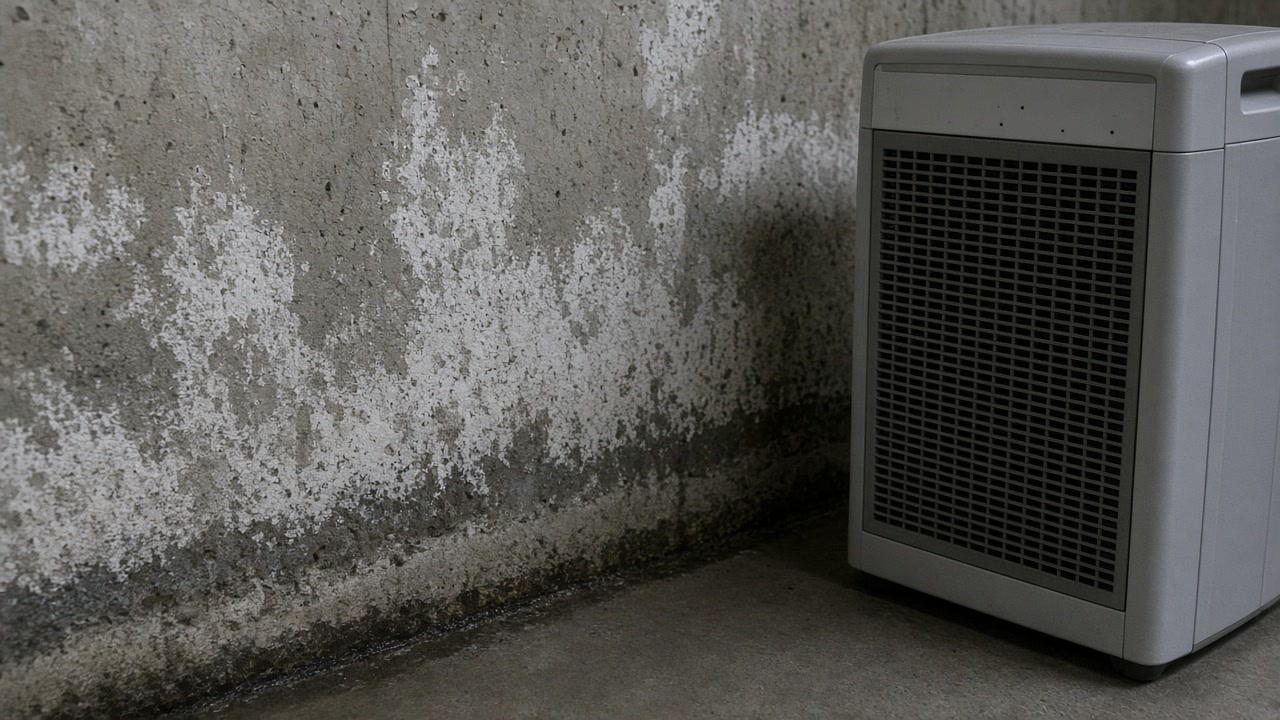
Absorbent materials such as ceiling tiles and carpet may have to be thrown out, because mold fills the crevices of porous material and cannot be removed completely. Painting over it is not a repair.
Whether the water came out of a combined line
Twenty two active combined sewer outfalls sit inside the city. Water that has been in a line carrying waste brings extra assessment and decontamination steps with it, and changes what can be saved.
Whether the contractor is registered with the city
The Division of the Construction Code Official registers non state licensed contractors, and the city says that registration covers all of them. Mold work has no state license, so this is the paperwork that exists.
The Jersey City rules a removal has to work inside
The Jersey City Division of the Construction Code Official registers non state licensed contractors, and the city states that a Jersey City contractor license is required for all non state licensed contractors and for all work done on a commercial property.
Source: City of Jersey City, Division of the Construction Code Official, accessed 2026-09-21
Jersey City publishes its own ordinary maintenance list of work needing no permit in any structure. It includes interior and exterior painting, wall covering, the repair or replacement of any flooring material with a new material, the repair, replacement or installation of interior trim and moldings, the installation of insulation other than foam plastic, and the repair, replacement or installation of exterior gutters and leaders.
Source: City of Jersey City, Division of the Construction Code Official, accessed 2026-09-21
The same code at N.J.A.C. 5:23-2.7 excludes from ordinary maintenance any work affecting structural or fire safety, the cutting away of a loadbearing wall, and the addition, alteration, replacement or relocation of water supply, sewer, drainage, gas, soil, waste or vent piping.
Source: New Jersey Department of Community Affairs, Uniform Construction Code, N.J.A.C. 5:23, accessed 2026-09-21
The NJDEP combined sewer outfall inventory lists 22 active outfalls in Jersey City. Twenty one are permitted to the Jersey City Municipal Utilities Authority and discharge through the Passaic Valley Sewerage Commissioners system. The twenty second belongs to the North Hudson Sewerage Authority Adams Street plant and sits at Observer Highway and Court Street on the Hoboken line.
Source: New Jersey Department of Environmental Protection, combined sewer outfall inventory served through the NJDEP ArcGIS mapping service, accessed 2026-09-21
EPA cleanup guidance says that absorbent or porous materials such as ceiling tiles and carpet may have to be thrown away if they become moldy, because mold can fill the crevices of porous materials and be impossible to remove completely. It also says not to paint or caulk moldy surfaces, since paint applied over them is likely to peel.
Source: United States Environmental Protection Agency, accessed 2026-09-21
The New Jersey Department of Health publishes lists of companies that perform mold work in homes, and the notice above those lists states in capital letters that the Department DOES NOT ENDORSE OR QUALIFY the work or services provided by these private companies.
Source: New Jersey Department of Health, Consumer, Environmental and Occupational Health Service, accessed 2026-09-21
What mold removal involves in Jersey City
Who the city recognizes to carry out a Jersey City removal
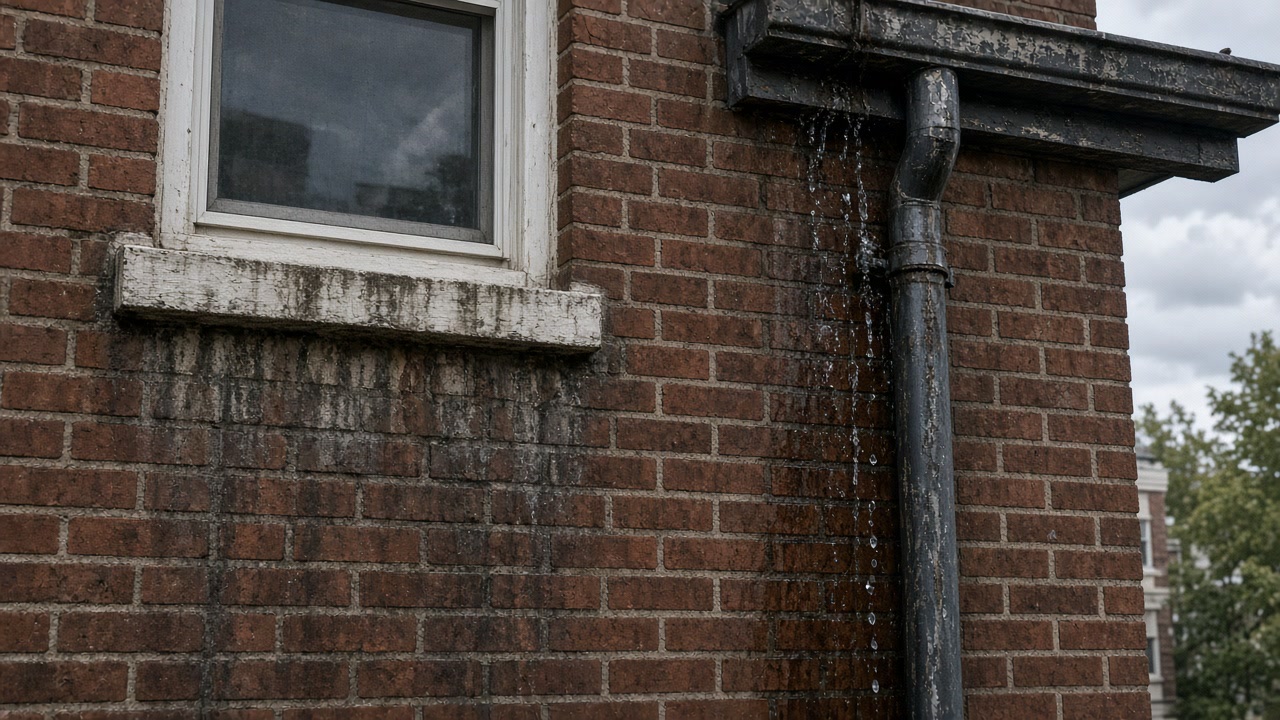
What you are buying is the wet material out of the building and the rebuild done by somebody the city will recognize. The Division of the Construction Code Official registers non state licensed contractors in Jersey City, and the city states that a city contractor license is required for all of them. Since mold work carries no state license to hold, that registration is the document actually worth asking for. The scope comes out of the report rather than the stain: the size of the cut is set by how far a meter reads past the visible edge.
Does this job open a wall, or stop at the plaster?
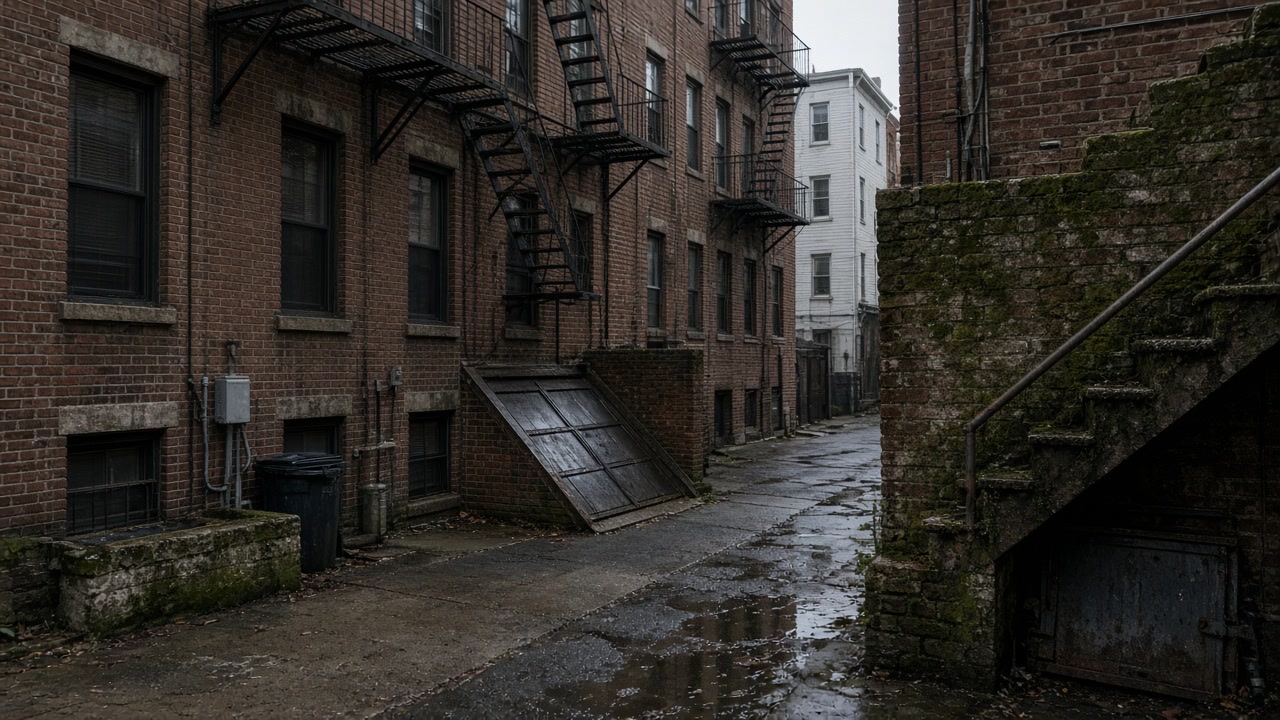
Say what the report found and how far the meter read past the mark. That is what sets the size of this.
Jersey City removal questions that come up at signing
Does a mold removal need a permit in Jersey City?
It depends entirely on what gets opened. The city's own ordinary maintenance list covers interior painting, wall covering, replacing flooring with a new material and replacing interior trim and moldings, with no permit needed. The state code puts the cutting away of a loadbearing wall and any alteration of waste, soil or vent piping outside ordinary maintenance, and for minor work the enforcing agency has to be notified before anyone starts, with the application filed within five business days.
The contractor says he is on the state list. Is that a license?
No. The Department of Health publishes lists of companies that perform mold work and states in capital letters above them that it DOES NOT ENDORSE OR QUALIFY the work or services of those private companies. What Jersey City itself issues is a contractor registration through the Division of the Construction Code Official, and that is the document worth asking to see.
Send the scope and we will arrange the trade
The finding comes from one company and the removal from another, and both are licensed and insured for their own half of it.