Water Damage Drying in Harrison With the Levee Still on Paper
Call while the water is still there. What you get is extraction, air movement and dehumidification started on the same visit.
Water Damage Drying quote in Harrison
Tell us the street or the neighborhood, what you can see or smell, and whether the water came up through the floor or in through a wall. In this city those two answers point at different trades, different costs and often a different person who should be paying.
Would you rather talk it through? Call (315) 640-3590, answered 24/7.
$100 off your first job
Credited by us on your first booked job.
- One credit per customer per property, on your first booked job.
- Valid through December 31, 2026.
Mention this offer when you book. Full terms.
Drying in Harrison while the flood system is still in design
The reason to move quickly in Harrison is that the protection everybody is waiting on does not exist yet. The South 1st Street levee and flood system is authorized at 7,450 linear feet with eight enclosures, 1,750 feet of levee averaging 6.5 feet high and 5,700 feet of floodwall averaging 6.2 feet, running from the Jackson Street Bridge to the rail bridge, and it is in design rather than in the ground. Meanwhile the EPA window for drying wet material is roughly 24 to 48 hours, and that is the one part of this you actually control.
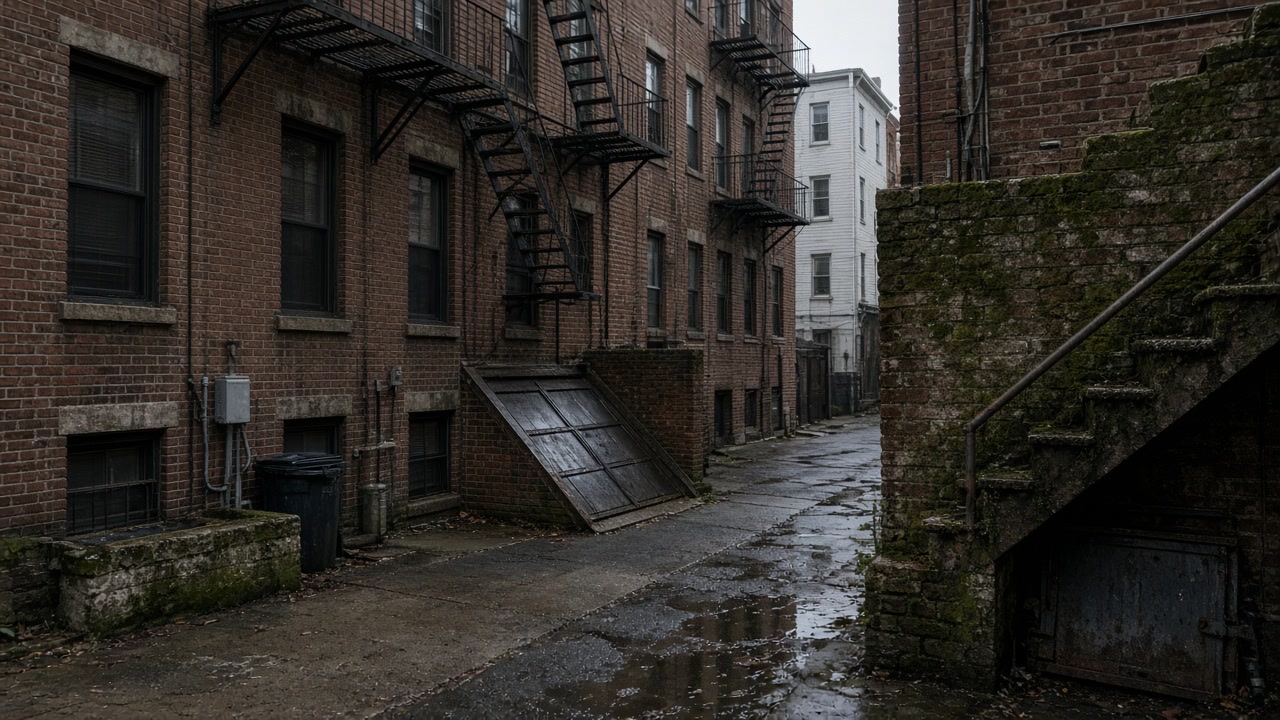
What water damage drying involves in Harrison
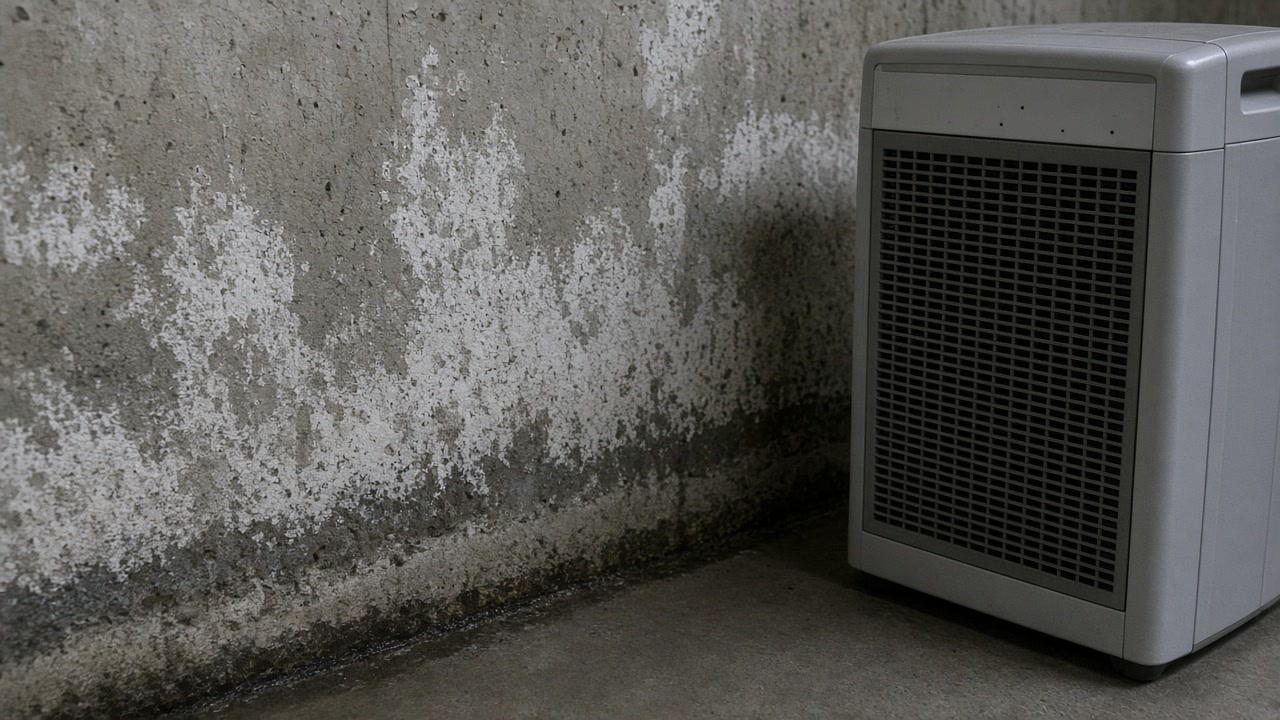
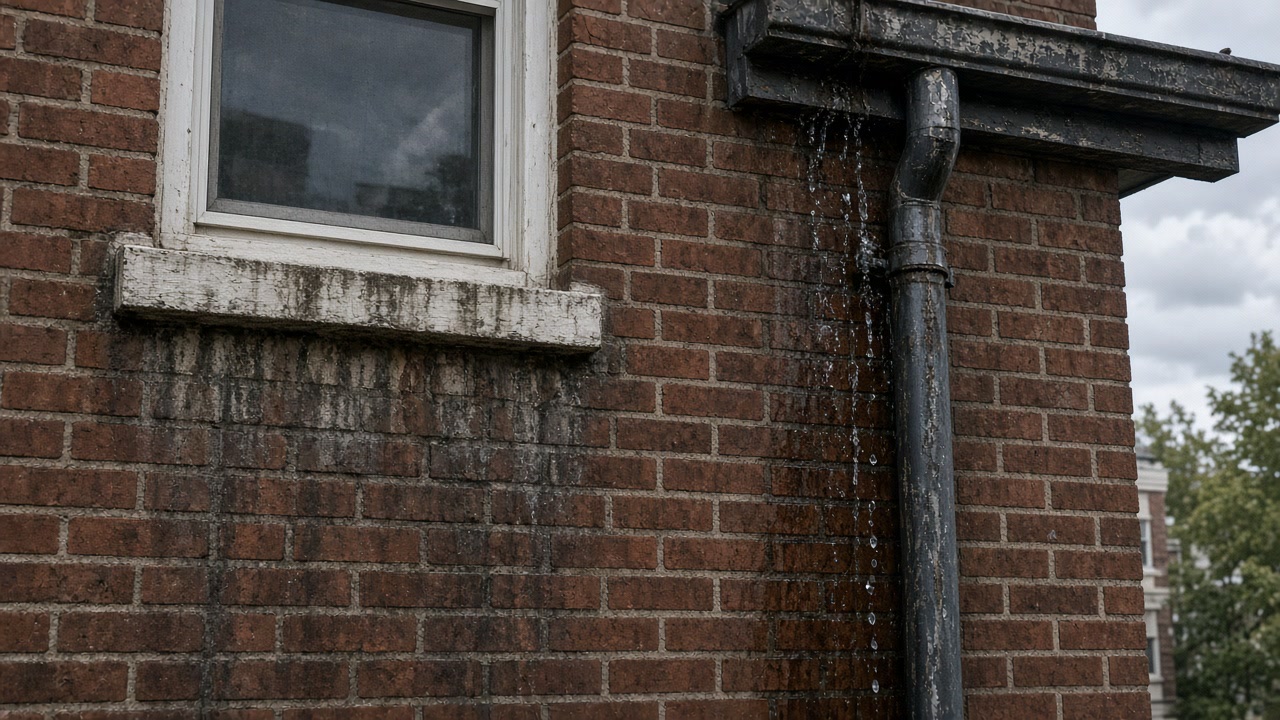
Eighteen days of rain, and what a wall remembers
Decide how much water the building has taken recently, not only today. The Northeast Regional Climate Center records more than three months of rain falling at Harrison across the 18 days from August 18 to September 3, 2021, through the combined remnants of Fred, Henri and Ida. A wall that never fully dried between events reads wet long before the next one arrives. Decide next whether your street is one the town has already named: the annex identifies the Angelo Cifeli Drive Drainage Area and the Bergen Street Drainage Area as having combined sewer systems with inadequate drainage capacity leading to frequent localized flooding events.
Whether you are inside 48 hours
The EPA puts the window at roughly 24 to 48 hours, and says that in most cases mold will not grow if wet materials are dried inside it. Hours matter more than anything else on day one.
Whether your street is a named drainage area
The annex names the Angelo Cifeli Drive Drainage Area and the Bergen Street Drainage Area as combined sewer systems with inadequate capacity and frequent localized flooding.
Whether the wall was dry before this event
More than three months of rain fell at Harrison in the 18 days to September 3, 2021. Material that never fully dried between events starts the next one already wet.
Harrison's defenses, its drainage areas and the clock
The flood protection planned for Harrison's redevelopment area, known as the South 1st Street levee and flood system, is authorized at 7,450 linear feet with eight enclosures: 1,750 feet of levee averaging 6.5 feet high and 5,700 feet of floodwall averaging 6.2 feet high, running from the Jackson Street Bridge to the NJ Transit rail bridge. The annex records the design memorandum as complete, engineering and design still under way and a Limited Reevaluation Report being prepared to reaffirm the project's viability.
Source: Hudson County Office of Emergency Management, 2025 Hudson County Hazard Mitigation Plan, accessed 2026-09-21
The EPA states that it is important to dry water damaged areas and items within 24 to 48 hours to prevent mold growth, and that in most cases mold will not grow if wet materials are dried within that window.
Source: United States Environmental Protection Agency, accessed 2026-09-21
The Northeast Regional Climate Center records that at Harrison, New Jersey, and at Central Park, more than three months of rain fell during the 18 day period from August 18 to September 3, 2021, across the combined remnants of Fred, Henri and Ida.
Source: Northeast Regional Climate Center, Cornell University, Tropical Systems of September 2021, accessed 2026-09-21
Harrison's hazard mitigation annex names two drainage areas by street: the Angelo Cifeli Drive Drainage Area and the Bergen Street Drainage Area, each described as having a combined sewer system with inadequate drainage capacity that leads to frequent localized flooding events.
Source: Hudson County Office of Emergency Management, 2025 Hudson County Hazard Mitigation Plan, accessed 2026-09-21
A USGS elevation query at the Harrison PATH station returns 5.2 feet, against 29.1 feet in the older part of town to the north. The annex lists the PATH station, its substation, PATH maintenance, the Harrison DPW facility and several other sites as sitting in the 1 percent and 0.2 percent annual chance flood zones.
Source: US Geological Survey, 3D Elevation Program point query service, accessed 2026-09-21
How many hours has it been wet?
That single number decides whether this is drying or removal. Tell us and we will move on it.
If the Harrison job has already moved past drying
Harrison callers ask this on the first day
When the levee is built, will this stop happening?
It is authorized rather than built, and the scheme covers the redevelopment area rather than the whole town. As designed it runs 7,450 linear feet with eight enclosures, from the Jackson Street Bridge to the rail bridge. Plan the building for the water it takes now, and treat the completed scheme as something to revisit when it exists.
The garage floor floods but I am on the fourth story. Does it matter to me?
It can. Wet material in a shared lower level puts moisture into air that a building moves upward, and the annex already lists the PATH station, its substation and the town DPW facility among sites sitting in the 1 percent and 0.2 percent annual chance flood zones. The sooner the lower level is dried, the smaller the scope upstairs turns out to be.
Phone it in before you photograph it
Phones answered 24/7. Getting air moving in the first hours is worth more than the paperwork is.