Mold Removal in Harrison, and Who May Open the Wall
Send the finding and the building. You get the affected material out, with permission settled before anyone brings a saw into the room.
Mold Removal quote in Harrison
Tell us the street or the neighborhood, what you can see or smell, and whether the water came up through the floor or in through a wall. In this city those two answers point at different trades, different costs and often a different person who should be paying.
Would you rather talk it through? Call (315) 640-3590, answered 24/7.
$100 off your first job
Credited by us on your first booked job.
- One credit per customer per property, on your first booked job.
- Valid through December 31, 2026.
Mention this offer when you book. Full terms.
The order of a Harrison job, and who signs off each step
Weigh the sequence, because doing it out of order is what costs money here. The water route closes first, the material comes out second, and the rebuild happens only once readings say the cavity is dry. Where the wall is a common element the association is the party that repairs it and the party with a right of access to do so, so a unit owner who commissions the cut can end up carrying a bill the building would have paid. Weigh the older north side separately, because not all of Harrison is new: in a pre-1978 building the paint rule applies in full, and demolition of painted surfaces is covered whatever the square footage.
Whether the building predates 1978 at all
45.1 percent of Harrison units were built in 2000 or later and 38.8 percent since 2010. The federal paint rule reaches pre-1978 housing only, so most of this stock sits outside it.
Who the repair legally belongs to
Main walls, foundations, roofs and basements are common elements under the Condominium Act. The association repairs them, and it holds the right of access to do it.
Whether the water route is actually closed
Harrison's six combined sewer outfalls all discharge to the Passaic, five of them active. A removal booked while the route is open is a removal booked twice.
Building age and ownership, as a Harrison removal reads them
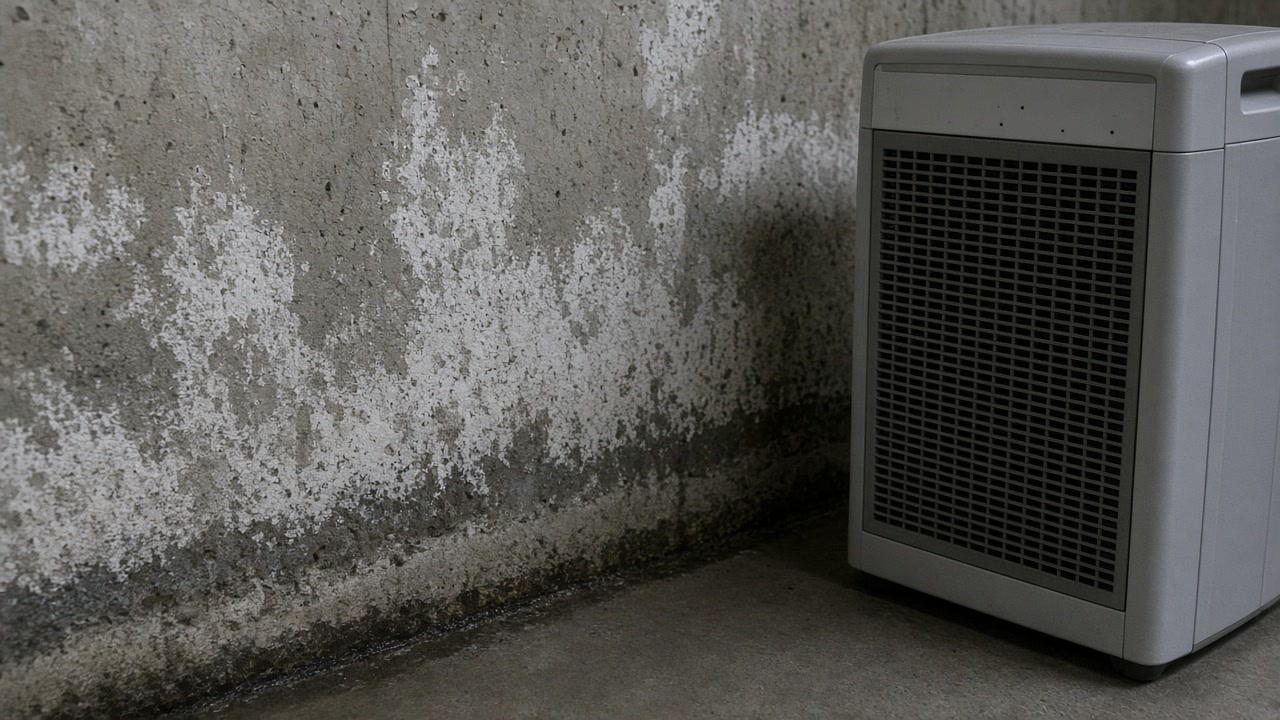
Harrison's population grew 20.1 percent between the 2010 and 2020 censuses to 19,450, the fastest growth in the county. Its median housing unit was built in 1990, 45.1 percent of its 10,062 units were built in 2000 or later and 38.8 percent since 2010, 36.4 percent sit in buildings of fifty units or more, and 78.9 percent of occupied units are rented.
Source: Hudson County Office of Emergency Management, 2025 Hudson County Hazard Mitigation Plan, accessed 2026-09-21
The federal Renovation, Repair and Painting Rule requires anyone paid to perform work that disturbs painted surfaces in housing built before 1978 to hold EPA firm certification, and states that firms cannot advertise or perform renovation activities covered by the rule in pre-1978 homes without that certification. It applies to all firms, including sole proprietorships.
Source: United States Environmental Protection Agency, accessed 2026-09-21
The New Jersey Condominium Act defines common elements to include, as to any improvement, the foundations, structural and bearing parts, supports, main walls, roofs, basements, halls, corridors, lobbies, stairways, elevators, entrances and exits, excluding anything specifically reserved or limited to a particular unit. Limited common elements are those common elements reserved for the use of one or more specified units.
Source: New Jersey Legislature, reproducing N.J.S.A. 46:8B-3 in Senate bill S1013 of the 221st Legislature, accessed 2026-09-21
The NJDEP inventory lists six combined sewer outfalls in Harrison, all permitted to the town and all discharging to the Passaic River. Five are active at Hamilton Avenue, Cleveland Avenue, Harrison Avenue, Middlesex Street and Worthington Avenue, and one at Dey Street is sealed.
Source: New Jersey Department of Environmental Protection, combined sewer outfall inventory served through the NJDEP ArcGIS mapping service, accessed 2026-09-21
The rule exempts minor repair and maintenance that disturbs six square feet or less of paint per room inside, but records that window replacement and demolition of painted surfaces are always covered regardless of square footage.
Source: United States Environmental Protection Agency, accessed 2026-09-21
Mold Guidelines for New Jersey Residents tells homeowners: Consider using a different company to perform testing as well as remediation. Using the same company may present a conflict of interest and should be avoided.
Source: New Jersey Department of Health, accessed 2026-09-21
What mold removal involves in Harrison
What Harrison's post-2000 stock changes about a removal
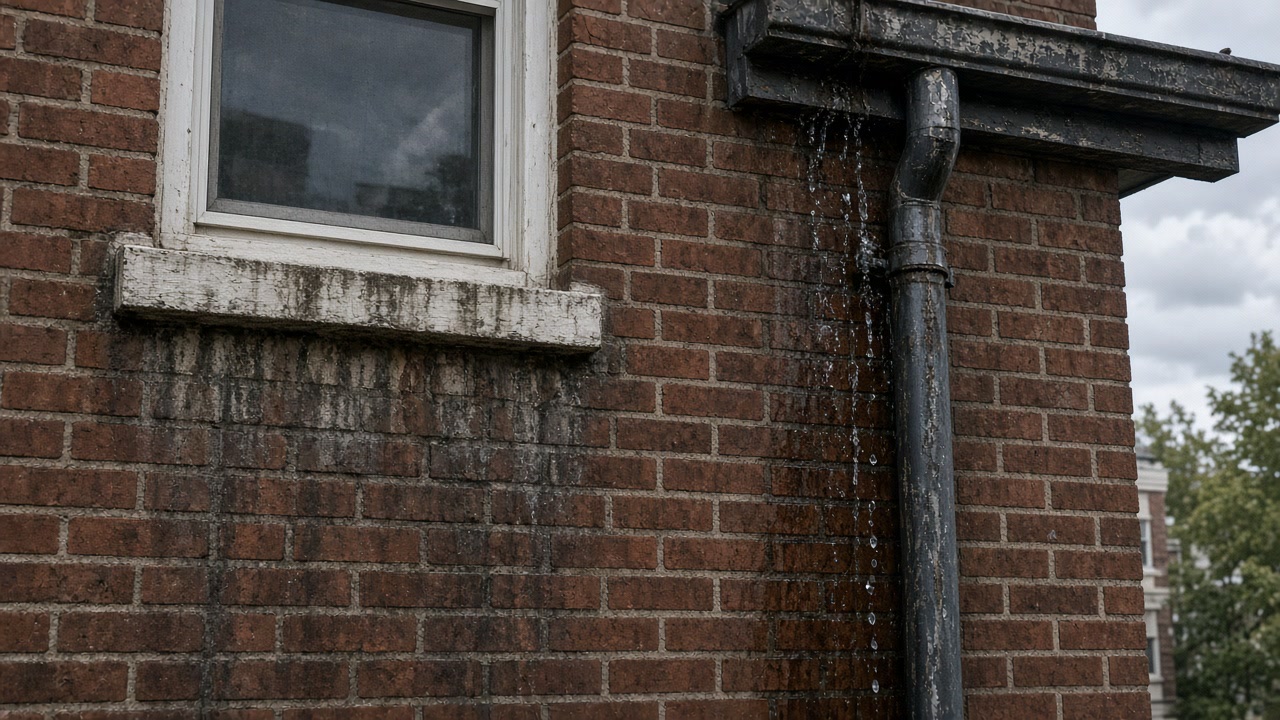
A Harrison removal usually stalls on permission rather than on price. Forty five percent of the town's 10,062 units were built in 2000 or later and 38.8 percent since 2010, so the wall being opened is generally a modern assembly inside a building whose structure the association owns. That cuts both ways for you. The federal Renovation, Repair and Painting Rule only reaches housing built before 1978, so across most of this stock it does not apply and the job is simpler and cheaper. The Condominium Act, by contrast, reaches every one of those buildings.
Permission first, saw second
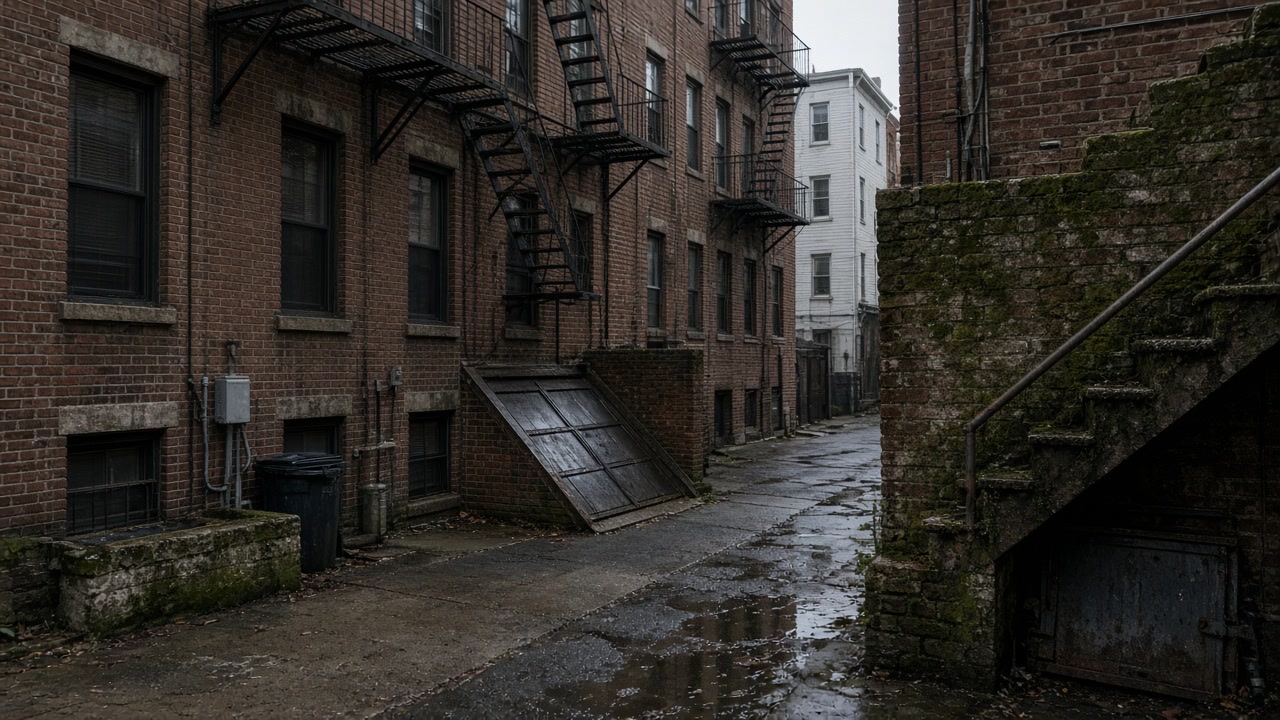
Tell us who owns the wall as far as you know. We will say what has to be agreed before a scope means anything.
Harrison questions to put to a removal contractor
The building wants to use its own contractor. Can I insist on mine?
Where the wet wall is a common element you usually cannot, and that is not a bad outcome. The Condominium Act makes foundations, main walls, roofs and basements common elements and gives the association access to the unit to repair them. What you can reasonably insist on is that the finding driving the scope came from somebody other than the firm carrying out the work, which is what the Department of Health recommends.
Is lead paint a concern in a 2010 building?
Very unlikely by date. The federal rule applies to housing built before 1978, and 45.1 percent of Harrison units went up in 2000 or later with 38.8 percent since 2010. On the older north side it matters a great deal, and there demolition of painted surfaces is covered by the rule regardless of how small the area is.
Send the finding and the building name
The removal is arranged with a different firm from the one that wrote the report.