Mold Inspection in Union City Where No Flood Ever Happened
Describe the wall and the season it shows up in. You get a written finding naming the source, and a straight answer if there is no job here.
Mold Inspection quote in Union City
Tell us the street or the neighborhood, what you can see or smell, and whether the water came up through the floor or in through a wall. In this city those two answers point at different trades, different costs and often a different person who should be paying.
Would you rather talk it through? Call (315) 640-3590, answered 24/7.
$100 off your first job
Credited by us on your first booked job.
- One credit per customer per property, on your first booked job.
- Valid through December 31, 2026.
Mention this offer when you book. Full terms.
What zero flood claims tells a Union City inspector
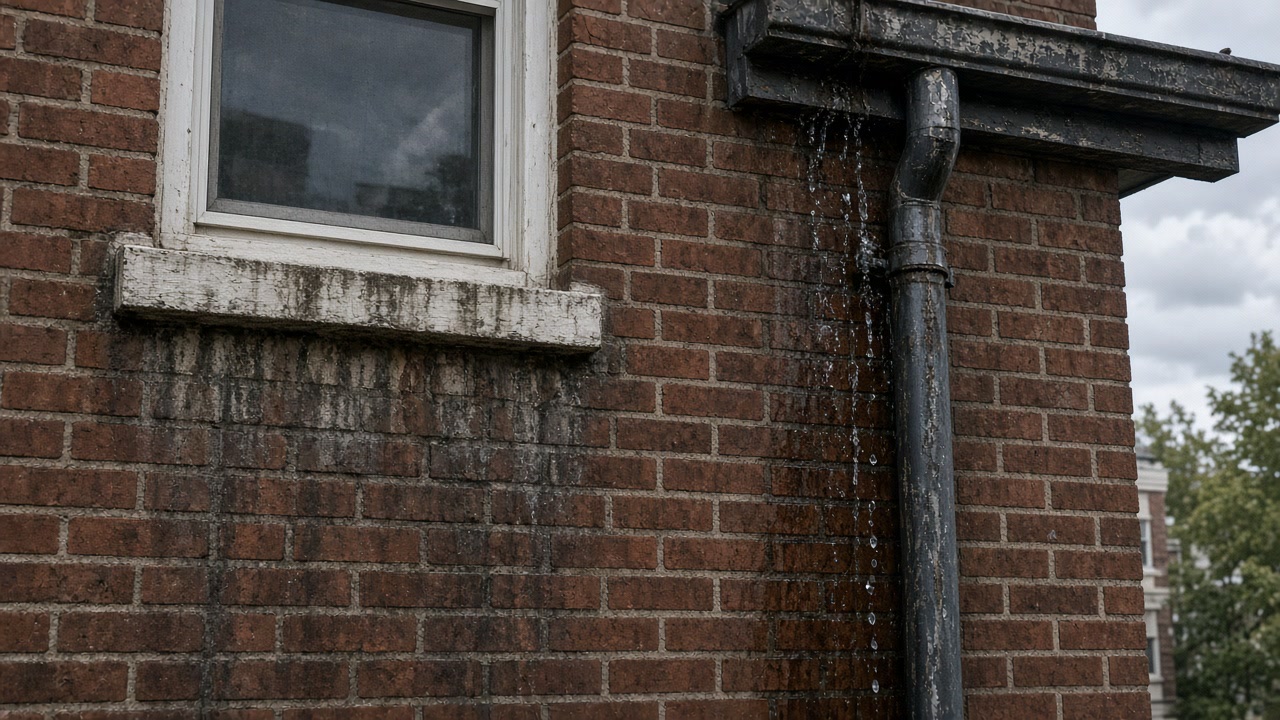
Union City is the one place on this site where the flood record rules things out instead of in. The city's annex of the county hazard mitigation plan records zero flood insurance policies, zero claims, zero dollars in loss payments and zero repetitive loss properties, and there are no combined sewer outfalls inside the city in the state inventory. That is genuinely useful. With no external flooding history to blame, an inspection here is looking for a plumbing failure, a roof or facade path, groundwater through an old basement wall, or condensation, and those are four repairs at four different prices.
What mold inspection involves in Union City
Summer damp on high ground, and where it comes from
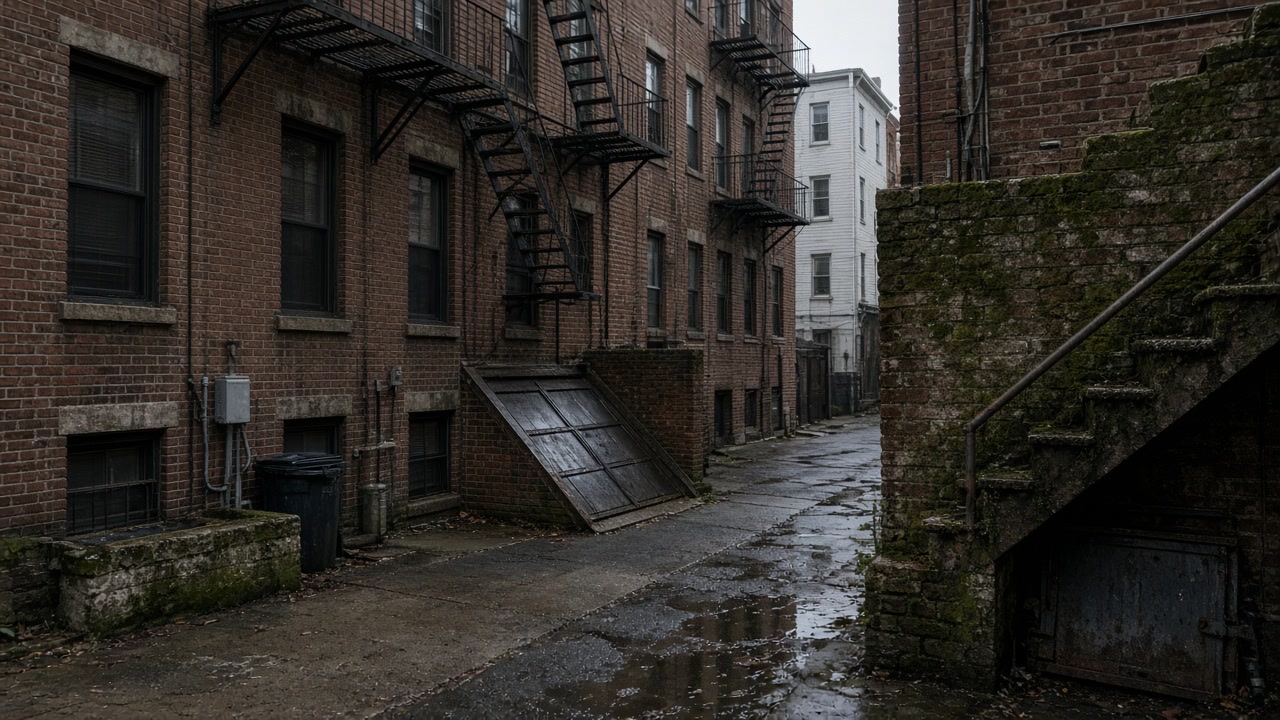
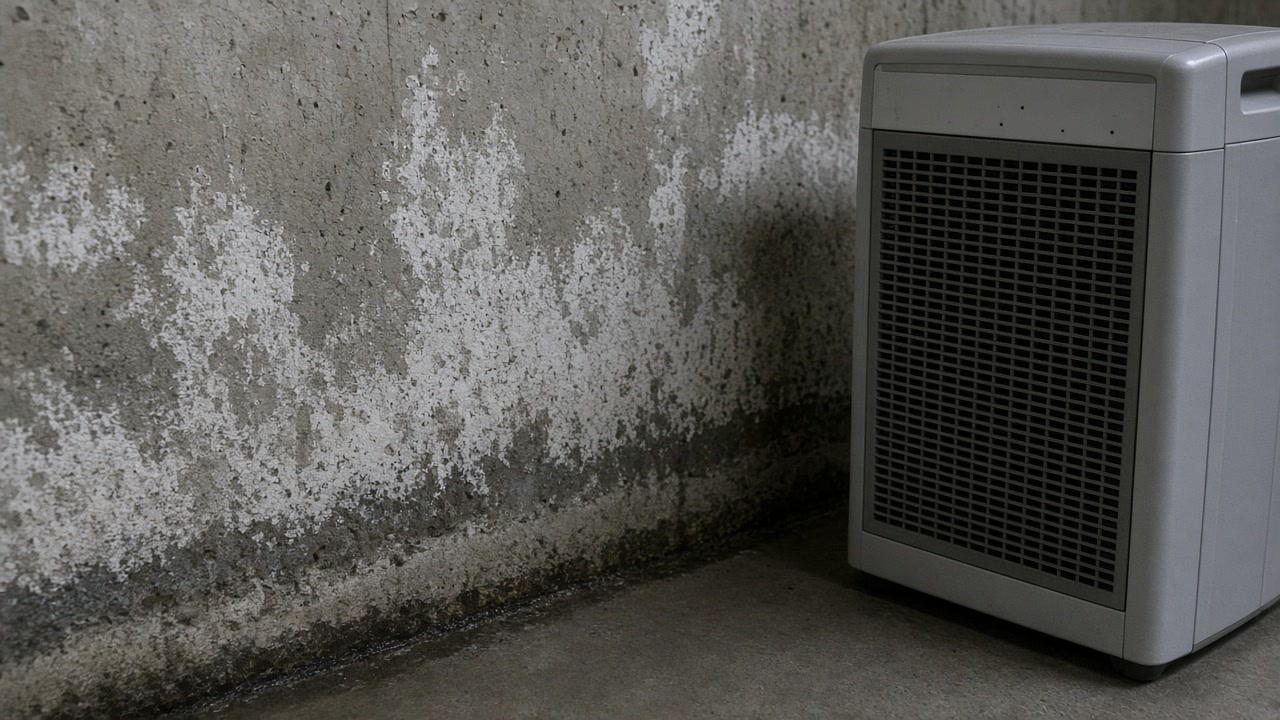
Weigh the season the damp appears in, because on high ground it is the cheapest clue available. The Newark Liberty climate normals put the mean July dew point at 63.3 degrees Fahrenheit with hourly values peaking at 65.6, which is warm wet air arriving in a basement that stays cool, and that puts water on a cold surface without a drop coming from outside. Weigh the building's age second: the city's own annex calls the high elevation a natural advantage that reduces overall flood risk, and then names the combined sewer system and the presence of older buildings and basements as the significant vulnerabilities. A USGS query on Bergenline Avenue returns 173.6 feet.
Which season the wall is wet in
A mean July dew point of 63.3 degrees Fahrenheit, peaking at 65.6, is enough to condense on a cool basement wall. Damp that arrives in July and goes in October is a ventilation problem.
Whether the basement is older than the rest of the building
The city's annex names older buildings and basements as a significant vulnerability while calling the elevation a natural advantage. On Bergenline Avenue the ground reads 173.6 feet.
Whether you are the person who can act
80.9 percent of Union City households rent and 75.2 percent of units sit in buildings of three or more. For most readers here the first move is a dated written notice, not a contractor.
The Union City record, read for what it rules out
Union City has no combined sewer outfalls in the NJDEP inventory, and its annex of the county hazard mitigation plan records zero flood insurance policies, zero claims, zero dollars in loss payments and zero repetitive loss properties.
Source: Hudson County Office of Emergency Management, 2025 Hudson County Hazard Mitigation Plan, accessed 2026-09-21
Union City's own annex states that the community's high elevation provides a natural advantage reducing overall flood risk, but that the combined sewer system and the presence of older buildings and basements pose significant vulnerabilities. A USGS elevation query on Bergenline Avenue returns 173.6 feet.
Source: Hudson County Office of Emergency Management, 2025 Hudson County Hazard Mitigation Plan, accessed 2026-09-21
The NOAA 1991 to 2020 hourly climate normals for Newark Liberty International Airport, station USW00014734, give a mean July dew point of 63.3 degrees Fahrenheit and a mean August dew point of 62.8, with the hourly normal peaking at 65.6 degrees in both months.
Source: NOAA National Centers for Environmental Information, 1991-2020 US Climate Normals, accessed 2026-09-21
80.9 percent of Union City's 25,725 occupied housing units are rented, the highest share of the towns covered here. Its median unit was built in 1961, 31.8 percent of stock predates 1939, and 75.2 percent of units sit in buildings of three or more.
Source: US Census Bureau, American Community Survey 2020-2024 five year estimates, accessed 2026-09-21
The Department of Health tells renters directly that they often have difficulty getting mold corrected, that because of the lack of regulations government offices have little authority to cite building owners over mold contamination, and that renters should instead contact their local building code office about unrepaired building leaks, since code offices can only address structural deficiencies such as water leaks and plumbing.
Source: New Jersey Department of Health, Consumer, Environmental and Occupational Health Service, accessed 2026-09-21
So where is the water actually coming from?
Say which wall, which room and which months of the year. That narrows it before anyone visits.
If the report finds work: Union City removal and drying
Union City tenants ask these before paying anyone
We are at the top of the hill. Where is the water even coming from?
There are four candidates and they are separable. A plumbing or waste line inside the building, a roof or facade path that arrives at a wall rather than a floor, groundwater moving through an old basement wall, and condensation. Union City's own annex calls the high elevation a natural advantage that reduces flood risk and then names the combined sewer system and the older buildings and basements as the significant vulnerabilities, which is that list in the city's own words.
I rent. Is a report actually going to get anything fixed?
It is the thing most likely to. The Department of Health tells renters directly that they often have difficulty getting mold corrected, that government offices have little authority to cite building owners over mold, and that the route is the local building code office over unrepaired leaks and plumbing. A dated report naming a leak converts a complaint about mold into a complaint about a building defect, and that is the thing a code office can act on.
Send a photo and the month it started
If nothing here needs a contractor, you will be told that. There is no obligation.